Beans & Origin
Indonesia, Vietnam and the Asia-Pacific
A region with distinctive processing traditions, enormous production volume, and profiles that divide opinion sharply.
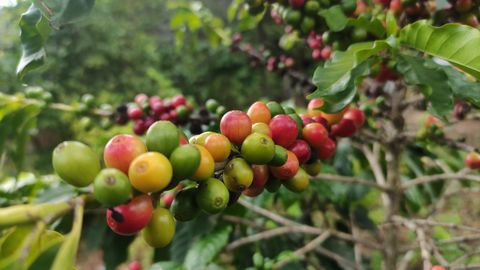
The Asia-Pacific region includes the world's second largest producer, a distinctive processing tradition found almost nowhere else, and some of the most divisive coffee available.
Indonesia
Producing across Sumatra, Java, Sulawesi, Bali, Flores and Papua, with each island contributing a distinct character.
Wet hulling, known locally as giling basah, is the defining process.
Cherries are pulped, briefly fermented, then hulled at a much higher moisture content than elsewhere — typically thirty to fifty percent rather than the usual eleven or twelve — and then dried.
The result is the characteristic dark green, sometimes bluish bean, and a distinctive cup.
Character. Heavy body, very low acidity, earthy, woody, herbal, sometimes with cedar, tobacco and dark chocolate notes.
People either love this or find it muddy. Both reactions are common and neither is wrong.
The process developed because of the wet climate, which makes conventional drying difficult, and it is now a defining regional tradition.
Sumatra is the best known, particularly Mandheling, Lintong and Gayo from Aceh.
Java historically gave its name to coffee generally and produces washed coffee on large estates with a cleaner profile.
Sulawesi, particularly Toraja, tends toward a cleaner and more balanced expression of the regional character.
Aged coffee. Monsooned Malabar from India and some aged Indonesian coffees are deliberately exposed to humidity over months, producing an extremely low-acid, heavy, musty profile with a following of its own.
Vietnam
The second largest coffee producer in the world, overwhelmingly robusta.
Production expanded enormously from the 1990s, transforming the global market and contributing substantially to the commodity price collapses that followed.
Character. Robusta profile — heavy, bitter, woody, low acidity, high caffeine.
Traditionally dark roasted, sometimes with butter or oil added during roasting, and brewed strong through a phin filter.
The specialty story. Vietnam has a growing arabica sector, particularly in Da Lat and the central highlands, and a genuine fine robusta movement.
Well-processed Vietnamese robusta is a serious product, and the specialty industry's blanket dismissal of the species has been softening.
The drink. Vietnamese coffee culture is distinctive and worth engaging with on its own terms rather than measuring against specialty conventions.
Condensed milk coffee, egg coffee, coconut coffee and salt coffee are all coherent traditions rather than compromises.
India
Grown mainly in the southern states of Karnataka, Kerala and Tamil Nadu.
Distinctively shade-grown under multi-tier canopies, frequently intercropped with pepper, cardamom and other spices.
Character. Generally low acidity, full body, spice notes, chocolate.
Monsooned Malabar is the signature: green coffee exposed to monsoon winds for months, swelling and losing acidity entirely, producing a pale, low-acid, heavy, musty coffee that is unlike anything else.
It exists because coffee shipped to Europe in wooden sailing ships arrived having undergone this transformation, and the resulting profile became expected.
India produces both arabica and robusta, and Indian robusta is well regarded for espresso blending.
Papua New Guinea
Smallholder-dominated, mostly washed, with Typica and Bourbon lineage.
Character tends toward balanced, sweet, with tropical fruit and a syrupy body. Frequently good value.
Logistics are a persistent challenge, which limits consistency.
Yemen
Geographically Middle Eastern rather than Asia-Pacific, and it belongs in any discussion of distinctive origins.
Among the oldest cultivated coffee outside Ethiopia, grown on terraces at high altitude in extremely dry conditions, naturally processed.
Character. Intensely complex, winey, spiced, dried fruit, with a rustic quality.
Production is small, conflict has disrupted it severely, and prices are very high.
China
A rapidly growing producer, mainly in Yunnan.
Historically commodity-focused; specialty quality has improved substantially in recent years, with washed and increasingly experimental processing.
Character is generally clean and mild with nutty and chocolate notes, with growing distinctiveness.
How to approach the region
These coffees generally reward immersion brewing and darker roasts, which suit their body and low acidity.
They also work particularly well in blends, contributing body and depth to brighter components.
And they are worth approaching without the expectations built on East African and Central American coffee. A Sumatran that tastes earthy is not a defective coffee; it is doing what that process does.