Equipment
Building a home tea and coffee habit
Where to start, what order to buy things in, and how to avoid accumulating equipment you never use.
People frequently start by buying equipment and end up with a cupboard of brewers and mediocre coffee.
The order matters more than the total spend.
The sequence for coffee
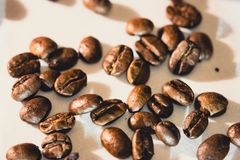
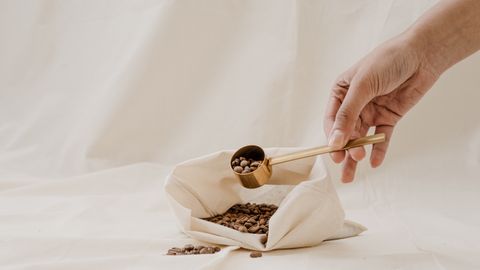
One. Buy fresh coffee. From a roaster who prints a roast date. Nothing else you do matters until this is fixed.
You will notice the difference immediately, before buying any equipment.
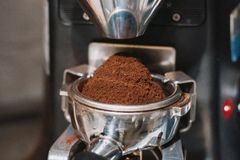
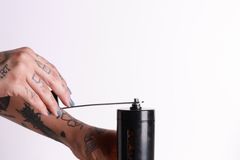
Two. Buy a burr grinder and grind immediately before brewing.
A hand grinder is excellent value at this stage.
The combination of fresh coffee and fresh grinding is the largest improvement available, and it precedes everything else.
Three. Buy a scale. One gram resolution. Without it you cannot repeat anything.
Four. Sort out your water. Filtered tap water, or a suitable bottled spring water as a test.
This is free or nearly so and frequently produces a surprising improvement.
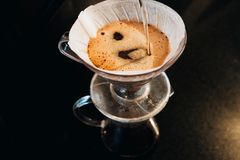
Five. Buy a brewer. An Aeropress, a cone, or a French press. Almost any of them.
Six. Buy a variable temperature gooseneck kettle, which improves pour control and gives you temperature as a variable.
This is also the point at which tea becomes properly accessible.
Then stop and use it for a few months before buying anything else.
The sequence for tea
One. Buy decent loose leaf tea from a specialist rather than a supermarket, in small quantities across a few categories.
Two. Buy a variable temperature kettle. The single biggest improvement, because temperature errors are the main cause of bad tea.
Three. Buy a gaiwan or a generous basket infuser. Give the leaves room.
Four. Buy a scale and use a timer.
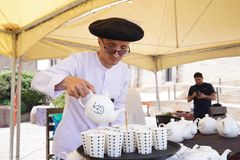
Five. Buy a fairness pitcher and small cups, if you want to brew gongfu style.
That is a complete setup for a modest total.
What to avoid buying early
Multiple brewers. Learn one properly before adding another. Each has its own variables, and switching constantly means never becoming good at any of them.
An espresso machine, as a first purchase. It requires a capable grinder, a genuine learning period and daily maintenance.
Start with filter, learn what extraction tastes like, then decide.
Accessories that promise to solve problems. Most problems are grind, freshness or water.
Large quantities of coffee or tea before you know what you like.
Learning what you like
The genuinely useful early activity.
Buy small quantities of several different things, deliberately varied.
For coffee: a washed African, a natural, a Central American, a Brazilian. Same brewing method for all.
For tea: a Japanese green, a Chinese green, an oolong, a black, a pu-erh.
Drink each for several days. Take a few notes.
Within a couple of months you will know what you actually enjoy, which determines everything you buy afterward.
Most people are surprised. The coffee they assumed they wanted is frequently not the one they reach for.
The recurring cost
Worth being honest about.
Good coffee costs several times supermarket coffee. Good tea likewise.
Someone drinking two cups a day gets through a substantial quantity a month, which is a real ongoing expense.
It compares favourably to buying coffee out, which is the honest comparison for most people.
And equipment is a one-off cost; the coffee is forever. Budgeting accordingly means spending less on equipment and more on what goes through it.
Avoiding the accumulation problem
Coffee and tea both attract collecting.
Practical measures: buy one thing at a time and use it for a month before buying another; sell or give away what you do not use; and be honest about whether you enjoy the process or only the idea of it.
A drawer of unused brewers is money that would have bought a year of better coffee.
Keeping the habit
The routine matters more than the equipment.
Set up the counter so the sequence is easy. Prepare the night before. Clean as you go.
Have a fast weekday method and a slower weekend one.
Have a fallback for travel and for bad mornings.
And accept that some days you will drink something mediocre, which is fine.
Where it goes from here
After a few months you will have a settled routine and a clear idea of what you like.
At that point the options open up: a better grinder, an espresso setup, water recipes, home roasting, gongfu tea, or simply exploring more origins.
All of them are optional. None of them is necessary to drink genuinely good coffee and tea every day, which you will already be doing.
That is the point at which the hobby becomes a pleasure rather than a project, and it is the right place to stop if you want to.