Beans & Origin
Coffee in cooking
Coffee is a bitter, aromatic, acidic ingredient, and it behaves like one, which is not always how recipes treat it.
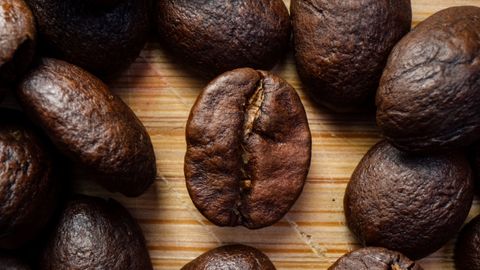
Coffee in food is usually deployed as a flavour called coffee. It is more useful understood as a set of properties: bitterness, acidity, roasty aromatics and a savoury depth.
The forms and when to use each
Brewed coffee. Adds liquid, so it works in batters, braises and sauces where liquid is wanted.
Concentration matters. Ordinary brewed coffee frequently disappears in a rich dish; use it strong.
Espresso or concentrate. Strong flavour, small volume. Good where you want intensity without much liquid.
Instant coffee powder. The correct ingredient more often than people admit.
It dissolves completely, adds no liquid, and delivers concentrated coffee flavour. In baking and in chocolate work it is genuinely superior to brewed coffee.
Ground coffee. Adds texture and bitterness. Works in rubs and in some doughs; produces grittiness where you do not want it.
Whole beans. For infusing into cream, milk, spirits or oil. Crack them lightly first.
Coffee and chocolate
The classic pairing, for a specific reason.
A small amount of coffee in a chocolate recipe does not make it taste of coffee. It deepens and intensifies the chocolate.
The mechanism is that coffee's roasty and bitter compounds overlap with and reinforce chocolate's, adding perceived complexity below the threshold where coffee is identifiable.
A teaspoon of instant coffee dissolved into the wet ingredients of a chocolate cake, or added to a brownie batter, is one of the highest-return additions in baking.
Use enough to taste it and you have a mocha, which is a different and also good outcome.
Savoury applications
Underused outside a few traditions.
Rubs for meat. Finely ground coffee with salt, pepper, brown sugar, smoked paprika, cumin and chilli.
The coffee contributes bitterness that balances sweetness and forms an excellent crust. Standard practice in American barbecue.
Use a medium roast — dark roasts burn and turn acrid at high heat.
Braising liquids. Coffee in a beef braise, a chilli or a mole adds depth and a slight bitterness that lengthens the finish.
Traditional in several Mexican and southwestern preparations.
Red-eye gravy. A Southern American preparation deglazing a ham pan with black coffee. Simple and genuinely good.
Barbecue sauces, where coffee balances the sweetness and vinegar.
With mushrooms and other umami-heavy ingredients, where the savoury depth complements rather than competes.
Desserts
Tiramisu. Strong coffee for soaking, and the quality matters — the coffee is a primary flavour, not a background one.
Espresso or a strong moka pot brew, cooled, with the liqueur if used.
Affogato. A shot of espresso poured over vanilla ice cream. Three ingredients and among the best desserts there is.
The contrast of hot bitter and cold sweet is the entire point, so serve it immediately.
Coffee ice cream and panna cotta. Infuse cracked beans into the cream, warmed, for twenty minutes, then strain.
Infusion produces cleaner flavour than adding brewed coffee, which adds water and dilutes the richness.
Coffee caramel. Add strong coffee to the cream that goes into caramel sauce. The bitterness balances the sugar beautifully.
Coffee in custards, mousses and buttercreams, generally via instant powder or a concentrate to avoid adding liquid.
Drinks beyond coffee
Espresso martini. Fresh espresso, vodka, coffee liqueur, shaken hard with ice.
The foam comes from the crema and the shaking, which is why it must be freshly pulled espresso rather than cold coffee.
Coffee liqueur, made at home by steeping coarsely ground coffee in spirit with sugar for a week or two. Considerably better than most commercial versions and very cheap.
Irish coffee, which requires hot sweetened coffee, whiskey, and unsweetened cream floated on top rather than whipped into it.
Cascara, the dried coffee cherry husk, brewed as an infusion.
Tastes of hibiscus, dried fruit and raisin rather than of coffee, contains modest caffeine, and is a genuine product rather than a novelty — it uses a byproduct that would otherwise be discarded.
Practical points
Heat degrades coffee aromatics. Add coffee late in a long-cooked dish where you want aroma; add early where you want the bitter depth.
Bitterness accumulates. Coffee reduces down like anything else, and a braise reduced by half has twice the bitterness. Taste as you go.
Acidity matters. Coffee is acidic, which affects baking chemistry. Substituting coffee for water in a recipe with bicarbonate of soda changes the reaction.
Roast level. Dark roasts contribute bitterness and roasty depth. Light roasts contribute acidity and fruit, which is frequently not what a dish wants.
For cooking, medium to dark generally works better.
Use good coffee where the coffee is the flavour, and use whatever you have where it is a background note.
Tiramisu deserves good espresso. A chocolate cake does not care.
Also by Diego Ferrant
- Buying a grinder at every budgetEquipment
- Common myths, correctedWater & Grind
- Setting up a small home coffee barEquipment
- Sensory training: learning to tasteWater & Grind