Tea
Herbal infusions and what they are
Not tea, frequently caffeine-free, and a category worth knowing for the evenings and for anyone reducing caffeine.
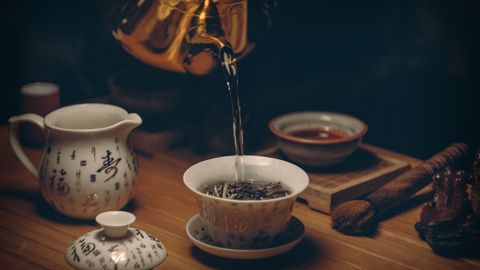
Chamomile, peppermint, rooibos and the rest are not tea. They contain no Camellia sinensis.
The accurate word is tisane, which nobody uses, so herbal tea it remains.
The main ones
Chamomile. Dried flowers of the chamomile plant, producing an apple-like, honeyed, gentle infusion.
The most researched of the herbals for relaxation and sleep, with evidence that is suggestive rather than strong.
Use whole flowers rather than dust in bags; the difference is substantial.
Note that chamomile is in the daisy family and people with related allergies should be cautious.
Peppermint. Bright, cooling, from menthol.
Traditionally used for digestive complaints, and peppermint oil specifically has reasonable evidence for irritable bowel symptoms — the tea is milder than the studied preparations.
Can worsen reflux in some people by relaxing the oesophageal sphincter.
Rooibos. From a South African shrub, not related to tea.
Naturally caffeine-free, low in tannins so it does not become bitter with long steeping, and sweet and woody with a red colour.
Takes milk well, which most herbals do not, and is the closest caffeine-free substitute for a black tea habit.
Green rooibos, unoxidised, is lighter and more grassy.
Honeybush, a related South African plant, sweeter and more honeyed.
Hibiscus. Dried calyces, producing a deep red, intensely tart infusion.
Extremely high in acidity, so it needs sweetening for most palates.
Some evidence for modest blood pressure effects, which means people on blood pressure medication should mention it to a clinician.
Excellent cold brewed and as an iced drink.
Ginger. Fresh sliced or dried, pungent and warming.
Reasonable evidence for nausea, including in pregnancy and after surgery.
Lemon verbena, lemongrass and lemon balm. Citrus-scented, gentle, pleasant in the evening.
Rosehip. Tart, fruity, high in vitamin C, frequently blended with hibiscus.
Fennel and aniseed. Sweet, liquorice-like, traditionally digestive.
Liquorice root. Intensely sweet without sugar.
Worth a specific caution: substantial regular consumption of liquorice root can raise blood pressure and lower potassium through its glycyrrhizin content. Not a tea for daily large quantities.
The caffeinated non-teas
Worth distinguishing, since they are frequently grouped with herbals and are not caffeine-free.
Yerba mate, from South America, containing meaningful caffeine.
Traditionally drunk from a gourd through a metal straw, with hot water refilled repeatedly.
Grassy, bitter, vegetal. A genuine social institution in Argentina, Uruguay, Paraguay and southern Brazil.
Note that very hot mate consumption has been associated with oesophageal cancer risk in epidemiological studies, with the temperature rather than the plant being the likely factor.
Guayusa, from the Amazon, caffeinated, smoother and less bitter than mate.
Guarana, high in caffeine, used mainly in preparations rather than as an infusion.
Brewing herbals
Generally simpler than tea.
Boiling water, for almost all of them. Herbals lack the delicate compounds that hot water damages in green tea.
Longer steeps, five to ten minutes, sometimes longer. Most herbals do not become bitter with extended steeping since they lack tea's tannins.
Hibiscus is an exception in that it becomes very tart, though that is intensity rather than bitterness.
More material than you would use for tea. Dried flowers and leaves are bulky and light.
Roots, bark and seeds — ginger, liquorice, cinnamon, fennel — benefit from simmering rather than steeping, which extracts more from dense material.
Cover the vessel while steeping. Aromatic compounds escape with the steam, and covering retains them noticeably.
Quality
The gap between good and poor herbal material is larger than most people realise.
Whole flowers, leaves and pieces rather than dust. Recognisable material rather than uniform powder.
Strong aroma when you open the container.
Recent harvest, since dried botanicals lose aroma over a year or two.
The difference between supermarket chamomile teabags and whole chamomile flowers from a good supplier is not subtle.
The health caution
Herbal infusions are often assumed to be harmless because they are natural.
Several have genuine pharmacological activity, which is precisely why they are used traditionally, and that activity can interact with medication and with conditions.
Specific cautions worth knowing: liquorice and blood pressure; hibiscus and blood pressure medication; St John's wort, which interacts with a very wide range of medications and should not be taken without medical advice; and various herbs that are not recommended in pregnancy.
Anyone pregnant, breastfeeding, taking medication or with a health condition should check before drinking herbal infusions regularly.
General information, not medical advice. Herbal preparations can interact with medications and conditions. Consult a clinician about regular use.