Equipment
What we would tell someone starting out
The things that turned out to matter, after seventy-odd articles about the things that mostly do not.
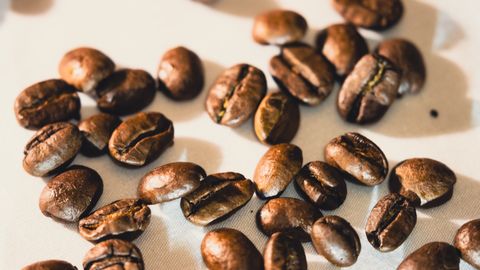
Almost everything on this site is a refinement. A small number of things account for most of the difference between good coffee and bad.
Freshness beats everything
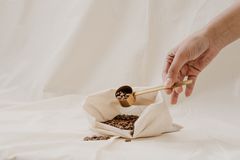
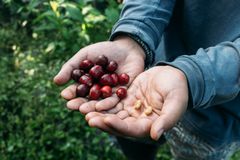
Coffee roasted three weeks ago and ground this morning beats coffee roasted this morning and ground three weeks ago, and both beat coffee roasted eight months ago.
Buy from a roaster who prints a roast date. Buy what you will drink in four weeks. Grind immediately before brewing.
Nothing else you do matters as much.
The grinder is the equipment that matters
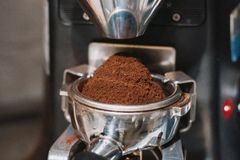
Grind uniformity determines whether the coffee extracts evenly, and uneven extraction is why coffee tastes simultaneously sour and bitter.
Spend on the grinder before the brewer. Before the machine. Before anything.
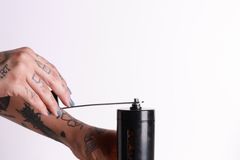
A hand grinder gets you most of the way for very little.
Learn what under- and over-extraction taste like
Sour, thin, sharp and salty is under-extracted: grind finer, brew longer, use hotter water.
Bitter, drying, harsh and ashy is over-extracted: grind coarser, brew shorter, use cooler water.
Flat, papery and dull is neither — that is stale coffee, hard water, or a bad roast.
Being able to name what is wrong is the whole of troubleshooting.
Water is an ingredient
Coffee is almost entirely water, and hard water flattens exactly the acidity that makes good coffee interesting.
If your coffee tastes dull regardless of what you do, brew one cup with bottled low-mineral spring water and see.
It is the cheapest experiment available and it resolves a great many mysteries.
Change one thing at a time, and write it down
Most people adjust several variables at once and learn nothing.
Change grind. Taste. Note it. Change again.
Three weeks of notes teaches you more about your own equipment than any amount of reading, because your grinder and your water are not the ones in the guide.
Clean everything, more often than you think
Rancid coffee oils on burrs, in brewers and in group heads produce a stale bitterness that survives every recipe change.
It develops so gradually that nobody notices, and the improvement after a proper clean is startling.
Fifteen minutes a week.
Match the method to the morning
A method that requires concentration will not survive a weekday.
Have something fast and forgiving for ordinary days, and save the pour over ritual and the siphon for when you want to enjoy the process.
The best method is the one you will actually execute properly.
Taste things side by side
Differences invisible in isolation are obvious in comparison.
Two coffees, two roast levels, two filters, two waters, two grind settings.
This is how tasting develops, and it develops much faster than by drinking a lot of coffee inattentively.
Buy less equipment than you want to
Fresh coffee, a burr grinder, a scale, decent water and one brewer produce excellent coffee.
Everything beyond that is refinement, and the refinements are smaller than the marketing suggests.
Money spent on equipment is money not spent on coffee, and the coffee matters more.
Try things outside your assumptions
Well-made robusta. A Vietnamese phin with condensed milk. Turkish coffee. A dark roast, if you only drink light. A cold brew, if you dismiss it. Cascara. Hojicha.
A great deal of coffee and tea culture is defensive about a narrow set of preferences, and the interesting things are frequently outside it.
Do not be tedious about it
The most important one.
Nobody enjoys being told their coffee is wrong. Most people drink what they drink for perfectly good reasons — habit, convenience, cost, or simply preference.
If you want someone to try something else, make them a good cup. Do not lecture them about it.
And extend the same courtesy to yourself. Some mornings the correct answer is instant coffee and getting out of the house.
The thing that actually matters
All of this exists to produce a few minutes of something good, most days, for years.
It is a small pleasure repeated very often, which is a better description of a good life than most.
Get the freshness right, get the grinder right, keep it clean, and stop worrying about the rest.
Also by Marcus Obeng
- When your coffee suddenly gets worseEquipment
- A morning routine that produces good coffee every dayBrewing Methods
- Coffee grounds and wasteEquipment
- Recipe notebooks and dialling in systematicallyWater & Grind