Tea
Tea and health claims, examined
Tea is a pleasant drink with some interesting research attached, and a great deal of the marketing goes well beyond what the evidence supports.
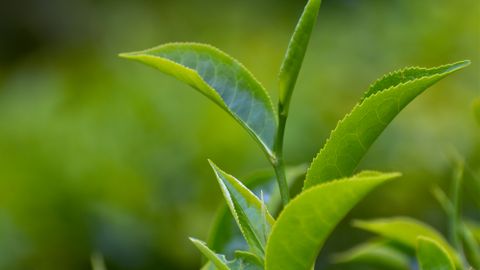
Tea is sold with an unusual volume of health claims, ranging from reasonable to entirely unsupported.
Sorting them is worth doing, if only to avoid paying a premium for a promise.
What tea contains
Polyphenols, particularly catechins in green tea and theaflavins and thearubigins in black tea. These are the compounds most research focuses on.
The catechin most discussed is epigallocatechin gallate, usually abbreviated EGCG.
Caffeine, in varying amounts.
Theanine, an amino acid largely unique to tea.
Fluoride, which tea plants accumulate from soil, in amounts that are generally beneficial and can be excessive at very high consumption of low-grade tea.
Small amounts of minerals and vitamins, not nutritionally significant at normal consumption.
Where the evidence is reasonably supportive
Cardiovascular outcomes. Observational studies and meta-analyses have generally found associations between regular tea consumption and modestly lower cardiovascular risk.
The associations are consistent across several large cohorts, which is meaningful.
They are observational, which means confounding cannot be excluded — tea drinkers may differ from non-drinkers in other ways.
Blood pressure. Some trials have found small reductions with regular consumption. The effect sizes are modest.
Alertness and attention. The caffeine effect is well established. The theanine contribution is supported by some trials showing effects on attention when combined with caffeine, and the literature is not extensive.
Hydration. The persistent claim that tea is dehydrating because of caffeine is not supported. At normal consumption, tea contributes to fluid intake comparably to water.
Where the evidence is weaker than the marketing
Weight loss. Green tea extract and EGCG have been studied extensively for effects on metabolism and fat oxidation.
Results are inconsistent and effect sizes, where found, are small — not of a magnitude that produces meaningful weight change without other measures.
Products sold on this basis are overstating it substantially.
Cancer prevention. Laboratory and animal studies have shown effects of tea compounds on cancer cell lines.
Human evidence is inconsistent. Major reviews have generally concluded that evidence is insufficient to support claims that tea prevents cancer.
Anyone making a definitive claim here is going beyond the evidence.
Detox. There is no meaningful scientific content to this claim. The liver and kidneys perform detoxification; tea does not enhance it in any demonstrated way.
Detox teas frequently contain laxatives, particularly senna, which produce weight loss through fluid loss and can cause harm with prolonged use.
Immune support. Vague and largely unsupported as a specific claim.
The dose problem
A recurring issue in reading tea research.
Many studies use concentrated extracts at doses far exceeding what drinking tea provides.
A trial using several hundred milligrams of purified EGCG does not tell you what three cups of tea does.
When a claim cites research, check whether the study used tea or an extract, and at what dose.
Where caution is warranted
Green tea extract supplements have been associated with cases of liver injury, particularly at high doses and on an empty stomach.
Several regulatory bodies have reviewed this. Drinking tea is not implicated; concentrated supplements are.
Iron absorption. Tea polyphenols inhibit absorption of non-haem iron.
Relevant for anyone with iron deficiency or at risk of it, including people on plant-based diets and menstruating women.
The practical measure is to drink tea between meals rather than with them, and particularly not with iron-rich meals or iron supplements.
Caffeine, with the usual considerations around sleep, anxiety and pregnancy.
Fluoride, at very high consumption of low-grade tea made from mature leaves, which accumulate more.
Cases of skeletal fluorosis have been reported at extreme consumption levels. Not a concern at ordinary intake.
Interactions with medication. Vitamin K content in tea is low but some medications interact with caffeine or with polyphenols. Anyone on anticoagulants or other sensitive medication should ask a clinician.
The reasonable position
Tea is a pleasant, essentially calorie-free drink with a plausible modest association with better cardiovascular outcomes and a well-established alerting effect.
That is a good enough reason to drink it.
It is not a medicine, it does not detoxify anything, and it will not cause weight loss.
Any product marketed primarily on health claims rather than on being good tea is selling the claim rather than the tea, and is generally worse tea at a higher price.
General information, not medical advice. Individual circumstances vary, and anyone with a health condition, taking medication, or who is pregnant should consult a clinician.