Beans & Origin
Single origin and blends: a false argument
One is not better than the other. They are different products with different purposes, and the marketing has confused this thoroughly.
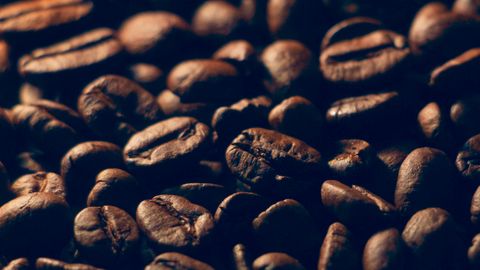
Specialty coffee marketing has established single origin as the premium option and blends as the compromise.
This is not how it works, and blending is a genuine craft with a long history.
What single origin means
Less precise than it sounds. It can mean:
A single country, which is very broad.
A single region within a country.
A single cooperative or washing station, aggregating from many smallholders.
A single farm.
A single lot from a single farm, sometimes a single variety and a single processing method.
Only the last two are genuinely traceable to one place and one set of decisions. Everything above involves aggregation, which means single origin coffee is frequently a blend of many farmers' output.
The useful term is traceability, and the more specific the label, the more of it there is.
Why blends exist
Three legitimate reasons.
Consistency. Coffee is agricultural. Harvests vary by year, and any given lot runs out.
A blend can be adjusted as components change, so a café's house espresso tastes the same in March and in October. For a business serving the same drink to the same customers daily, this is not a compromise — it is the requirement.
Complexity. Individual coffees have strengths and gaps. A Brazilian might bring body and chocolate sweetness but little acidity. An Ethiopian might bring floral aromatics but a thin body.
Combined thoughtfully, each covers the other's weakness.
This is the same logic as blending in wine, whisky and tea, all of which have long traditions of blending as a craft.
Cost. The less noble reason. Blending allows a small quantity of expensive coffee to carry a larger quantity of cheap coffee.
This is real and it is why blends acquired a poor reputation, and it is not the only reason blends exist.
The espresso case
Where blending is most defensible.
Espresso concentrates everything, including flaws. It also needs to work with milk in most cafés, and needs to be forgiving enough to survive a busy service with varying technique.
A blend can be built for that: body from one component, sweetness from another, acidity from a third, and a base that keeps it stable as conditions vary.
Traditional Italian espresso blends frequently include robusta specifically for crema and body, which is a deliberate choice rather than a shortcut.
Single origin espresso is a genuine and interesting thing, and it is generally less forgiving, more variable and more demanding to dial in.
The filter case
Where single origin has the stronger argument.
Filter brewing produces clarity, which is precisely what allows the distinctive character of a specific place, variety and process to come through.
Blending in that context frequently muddies rather than complements.
Which is why most specialty roasters sell single origins for filter and blends for espresso, and why that division makes sense.
Judging a blend
Good blends tell you what is in them: the components, their origins and their proportions.
They have a clear intent — built for milk, built for clarity, built for body.
They taste like a coherent thing rather than several coffees competing.
Poor blends are anonymous. A bag labelled only house blend or breakfast blend, with no component information and no roast date, is telling you the roaster does not want you to know.
The seasonal blend
An approach some roasters take: a blend with a stated character that is reformulated through the year as harvests arrive.
The published components change; the intended profile stays constant.
This is blending done honestly and it is a reasonable answer to the tension between consistency and freshness.
The practical position
For filter brewing, and for exploring what different origins taste like, buy single origins.
For daily espresso, particularly with milk, buy a blend built for it.
For a house coffee you want to taste the same every day, buy a blend.
Judge either by whether the roaster tells you what is in it, when it was roasted, and what it is for.
The distinction that matters is not blend versus single origin. It is whether the person who made it was paying attention.
Also by Diego Ferrant
- Buying a grinder at every budgetEquipment
- Common myths, correctedWater & Grind
- Coffee in cookingBeans & Origin
- Setting up a small home coffee barEquipment