Tea
Tea equipment worth having
Very little is required, a few things transform the experience, and most of it is inexpensive.
Tea requires almost nothing: leaves, hot water and a vessel. Beyond that, a handful of items make a genuine difference.
The one genuinely transformative purchase
A variable temperature kettle.
The single largest improvement available, because temperature errors are the main cause of bad tea.
Green tea at seventy degrees and green tea at one hundred are different drinks, and one of them is unpleasant.
Being able to set the temperature removes the guesswork entirely and makes the whole category accessible.
It is also useful for coffee.
Brewing vessels
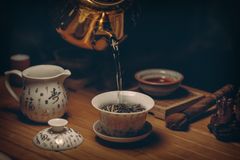
A gaiwan. A lidded bowl with a saucer, used across Chinese tea culture.
Neutral porcelain or glass, so it imparts nothing. Easy to see the leaf. Easy to clean. Works for every category.
Pouring takes a little practice — the lid is used to hold the leaves back — and it is a five-minute skill.
Inexpensive and the most versatile vessel there is. If you buy one thing beyond a kettle, buy this.
A basket infuser in a mug or pot. The practical Western option.
Choose one with plenty of room. Small mesh balls constrain leaves so they cannot unfurl, which limits extraction badly.
A kyusu, the Japanese side-handled pot with a built-in mesh.
Particularly valuable for deep-steamed Japanese greens, which produce fine sediment that clogs ordinary strainers.
A glass teapot with a wide infuser. Neutral, lets you watch the leaves, easy to clean.
Yixing clay pots. Unglazed clay from Jiangsu, traditionally dedicated to a single type of tea because the clay absorbs character over time.
Whether the seasoning genuinely improves the tea is debated. What is not debated is that they should never be washed with detergent, and that the market contains a great deal of misrepresented clay.
Buy one only after you know what tea you drink most, and from a vendor who explains the clay.
Serving
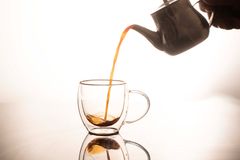
A fairness pitcher, called a gongdaobei. The brewed tea is poured into it before serving.
Two purposes: it stops extraction immediately by removing the liquid from the leaves, and it ensures everyone gets tea of the same strength rather than the first cup being weak and the last strong.
Inexpensive and genuinely useful.
Small cups. Gongfu brewing uses small volumes, and the aroma is more concentrated in a small cup.
Tall narrow aroma cups exist for smelling and are optional.
Weighing and timing
A scale with one gram resolution. Tea quantities are small and volume measures are unreliable, since leaf density varies enormously between a rolled oolong and a fluffy white tea.
A timer. Your phone.
For gongfu brewing with ten-second infusions, timing matters more than it does for a three-minute Western steep.
For matcha
A bamboo whisk, called a chasen. Nothing else produces the same fine foam.
Soak it briefly in warm water before use to soften the tines.
A sieve. Matcha clumps and clumps do not disperse. Sifting takes ten seconds and transforms the result.
A bowl wide enough to whisk in. Any wide bowl works.
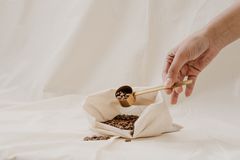
A bamboo scoop is traditional and a teaspoon does the same job.
Storage
Airtight opaque tins. Tea absorbs odours readily and degrades in light.
Small tins, so tea is not repeatedly exposed to air.
Green teas benefit from refrigeration in sealed packaging, brought to room temperature before opening.
Pu-erh is the exception and wants some airflow, so store it in unsealed containers or paper wrappers.
What is not necessary
Elaborate tea trays with drainage. Beautiful, useful for enthusiastic gongfu practice with a lot of rinsing, and entirely optional.
Tea pets, the small clay figures poured over during tea sessions. Charming and purely decorative.
Multiple specialised pots before you know what you drink.
Expensive water filtration, unless your tap water is genuinely poor. Filtered tap water or a moderate-mineral bottled water is fine.
A sensible starting kit
A variable temperature kettle. A gaiwan. A fairness pitcher. Two small cups. A one-gram scale. A few airtight tins.
That total is modest, covers every category of tea, and is a complete setup rather than a starting point.
Add a kyusu if you drink Japanese green tea regularly, and a whisk and sieve if you drink matcha.
Everything else is refinement, and the tea itself is where the remaining money is better spent.