Roasting
Light, medium and dark: what you are actually choosing
The most visible variable on a coffee bag, described with terms that mean different things at different roasters.
Roast level is the first thing most people notice and the least standardised term in coffee.
One roaster's medium is another's light. Regional traditions differ enormously. And the labels tell you about colour rather than about how the roast was executed.
Roughly what the levels mean
Light. Dropped shortly after first crack. Pale brown, dry surface, no visible oil.
High acidity, pronounced origin character, floral and fruit notes, lighter body, more perceived brightness.
Requires good extraction to taste right, because the bean is denser and less soluble. Under-extracted light roasts taste sour and grassy, which is why people who dislike light roasts frequently dislike badly brewed light roasts.
Medium. Well past first crack, before second. Medium brown, dry surface.
Balanced acidity and sweetness, caramel and chocolate developing, origin character still present but softened.
The most forgiving level across brewing methods, which is why it dominates commercially.
Medium-dark. Approaching or into early second crack. Darker brown, sometimes a faint sheen.
Lower acidity, more roast character, chocolate and toasted notes, fuller body.
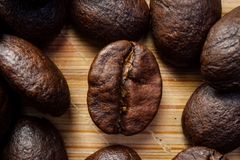
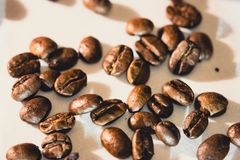
Dark. Well into second crack. Dark brown to almost black, visibly oily surface.
Little acidity, dominant roast character, smoky and bittersweet, heavy body.
Origin distinctions largely disappear.
The oil question
Oil on the surface indicates the roast went far enough for the cell structure to break down and push oils out.
It is not a mark of quality or freshness. In fact surface oils go rancid faster than oils held inside the bean, so dark roasts have a shorter useful life than they appear to.
Very oily beans also cause problems in grinders, clogging burrs and hoppers.
Caffeine, briefly
The persistent myth is that dark roasts have more caffeine. They do not — caffeine is quite stable through roasting.
The confusion comes from measurement. Roasting removes mass, so by weight a dark roast has marginally more caffeine per gram, since the beans are lighter. By volume, dark roasts have less, since the beans are larger and less dense.
The differences are small either way. Dose and brewing method matter far more than roast level.
Matching roast to method
Generalisations with plenty of exceptions.
Filter and pour over suit light to medium roasts, where clarity and acidity are assets.
Immersion methods like French press suit medium roasts, where body and sweetness are the point.
Espresso works across the range and is harder with very light roasts, which are less soluble and require finer grinding, higher temperature and more skill to avoid sourness.
Traditional espresso is medium-dark to dark for exactly this reason: consistency, forgiving extraction, and a heavy body that stands up to milk.
Milk drinks generally want medium to dark, because milk mutes acidity and delicate florals, and a light roast in a large latte tends to disappear.
Cold brew suits medium to dark, since the method already strips acidity and a light roast can end up flat.
The Nordic and Italian poles
Two traditions that explain most of the disagreement.
The Nordic approach favours very light roasts, treating coffee as a delicate agricultural product where the roaster's job is to reveal origin character with minimal intervention.
The Italian tradition favours dark roasts and blends, treating coffee as a consistent product where the roaster's job is to produce the same excellent cup every day regardless of harvest variation.
Both are coherent positions with long histories. Neither is a mistake.
How to find your preference
Buy the same coffee, same origin, from a roaster who offers it at two levels, and taste them side by side.
Or buy three small bags across the range from a good roaster and drink each for a week.
Pay attention to what you are actually reaching for in the morning rather than what you think you should like.
A great many people who describe themselves as preferring dark roast are responding to bitterness they associate with strength, and discover on tasting carefully that they prefer medium.
A great many people who insist on light roast are drinking under-extracted coffee and would enjoy it more with a finer grind.
The thing that matters more
Roast quality beats roast level.
A well-executed dark roast from a careful roaster is better than a badly executed light roast, and vice versa.
Signs of a careless roast at any level: uneven colour across beans in the bag, scorched or tipped beans with dark spots, a flat papery taste, and a harsh ashy finish.
Find a roaster you trust first. Then work out the level.
Also by Diego Ferrant
- Buying a grinder at every budgetEquipment
- Common myths, correctedWater & Grind
- Coffee in cookingBeans & Origin
- Setting up a small home coffee barEquipment