Equipment
Cups, mugs and why the vessel changes the drink
Shape, material and thickness all affect temperature and aroma delivery, which is a smaller effect than the marketing claims and larger than nothing.
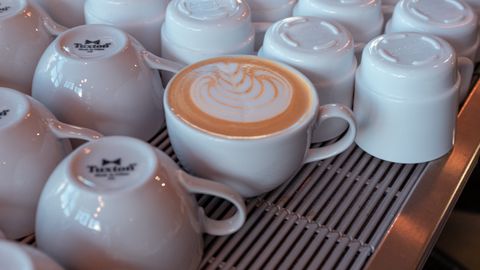
The vessel is the last variable before the coffee reaches you, and it is the one nobody thinks about.
The effects are real, modest, and worth knowing once.
Thermal mass
The largest factor by some distance.
A cold cup absorbs heat from the drink instantly. A thick ceramic cup at room temperature can drop a small espresso by several degrees the moment it is poured.
For a double espresso in an unheated cup, this is the difference between a drink at drinking temperature and one already cooling toward flatness.
Preheating solves it entirely. Rinse with hot water, or keep cups on the machine's warming plate.
This is free and it is the single most useful thing in this article.
Thin-walled cups have less thermal mass and cool the drink less on contact — and also lose heat faster afterward, so they suit drinks consumed quickly.
Thick cups, properly preheated, hold temperature longer, which suits a larger drink taken slowly.
Material
Porcelain and ceramic. Neutral, holds heat reasonably, the default for good reason.
Glass. Neutral, lets you see the drink, generally loses heat faster unless double-walled.
Double-walled glass insulates well and is genuinely effective at keeping a drink hot while staying cool to hold.
Stainless steel. Excellent insulation in vacuum flasks, and bare steel imparts a detectable metallic quality for many people, particularly with acidic coffee.
Travel mugs with a ceramic or enamel lining avoid this.
Enamel. Traditional for camping, conducts heat rapidly so the rim becomes uncomfortably hot, and neutral in flavour.
Paper and plastic. The lining affects taste noticeably. Most disposable cups impart something, which is part of why takeaway coffee tastes different from the same coffee in ceramic.
Shape and aroma
A narrower opening concentrates volatile compounds above the liquid, which increases perceived aroma.
A wider opening disperses them and cools the drink faster.
This is why wine glasses are shaped as they are, and the same physics applies to coffee and tea.
Cupping bowls are wide and shallow deliberately, so the coffee moves quickly through the temperature range where evaluation happens.
Tasting glasses designed for coffee use a narrower opening to concentrate aroma. The effect is real and modest.
Size and proportion
More consequential than shape.
A double espresso in a large mug spreads thin, cools rapidly and loses its crema. The same shot in a small demitasse stays hot, deep and intact.
A cappuccino in a large cup becomes a latte, since the milk-to-coffee ratio is what defines the drink.
Matching the cup to the drink is not aesthetics. It changes the ratio and the temperature curve.
The rim
A thin rim delivers the liquid to the front of the tongue in a narrow stream. A thick rolled rim spreads it more widely.
Whether this changes perception meaningfully is debated. What is not debated is that a thick rim feels different, and comfort affects enjoyment.
Colour
Research on this exists and has found that vessel colour affects perceived sweetness and intensity — the same coffee has been reported as tasting more intense from a white cup than from a clear or dark one.
This is expectation and perception rather than chemistry, and it is a real effect on the experience regardless.
For tea
The same principles with different emphases.
Small cups for gongfu brewing, because the infusions are small and aroma is concentrated.
Wide bowls for matcha, because whisking requires room to move.
Neutral porcelain or glass generally, since unglazed clay absorbs flavour and should be dedicated to a single tea type.
Preheating matters here too, particularly for teas brewed at lower temperatures where there is less thermal headroom to lose.
Practical conclusions
Preheat the cup. This matters more than everything else in this article combined.
Match the size to the drink.
Use neutral materials.
Prefer a narrower opening where aroma matters and a wider one where you want it to cool quickly.
And beyond that, use the cup you like. The pleasure of drinking from something you enjoy holding is a genuine part of the experience, and it is not measurable in any of the ways above.
Also by Diego Ferrant
- Buying a grinder at every budgetEquipment
- Common myths, correctedWater & Grind
- Coffee in cookingBeans & Origin
- Setting up a small home coffee barEquipment