Tea
White Tea And The Limits Of Minimal Processing
White tea is defined by what is left out rather than what is done, and that restraint places unusual demands on the raw leaf and on storage.
White tea is usually described as the least processed of the tea categories, which is accurate but easy to misread. Doing less to a leaf raises the standard the leaf itself has to meet.
The process is withering and drying
Picked leaf is spread out and allowed to lose moisture slowly, often in shade or gentle sun, and is then dried to a stable point. There is no rolling and no deliberate bruising.
Because the leaf is not broken, its cell walls stay largely intact and the enzymes inside meet oxygen only slowly. Oxidation happens, but at a pace set by the wither rather than by mechanical damage.
The result is a category defined by an absence of steps, which means there is very little opportunity to correct a leaf that was not good to begin with.
Raw material quality is exposed
Rolling, firing and oxidation all impose flavour of their own, and that imposed character can mask thin or coarse leaf. White tea offers almost no such cover.
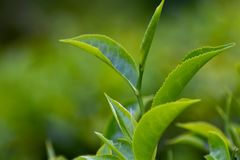
Producers therefore pick selectively, often taking buds and the youngest leaves, where sugars and amino acids are concentrated and bitterness is low.
Downy silver buds are the visual signature of the style, and the fine hairs on them are one reason the dry leaf looks pale and the liquor arrives soft.
Withering is more controlled than it looks
A wither that runs too fast leaves the leaf green and grassy, because enzymatic change has not had time to proceed. Too slow and the leaf can turn sour or musty.
Humidity and airflow are managed carefully for what appears to be a passive step, and in damp weather the process moves indoors with assisted airflow.
The apparent simplicity of the category conceals a process with a narrow margin and few chances to intervene once it has gone wrong.
Brewing rewards patience over heat
Intact leaf releases its material slowly, so white tea generally takes longer to open than a broken black tea and tolerates a long steep without turning harsh.
Water below boiling is commonly used, though the fragile reputation of the category is somewhat overstated and many white teas take hotter water comfortably.
Using a generous quantity of leaf with short repeated infusions tends to reveal more than a single long steep, because the sweetness develops across rounds.
It changes with age in a way green tea does not
Because the leaf retains active compounds and was never fired hard, white tea continues to alter slowly in storage rather than simply fading.
Aged white tea is a recognised style, moving from fresh and floral towards deeper, drier, honeyed character over a period of years in stable conditions.
That only works with careful storage away from moisture and odour, and a poorly kept white tea ages into something stale rather than something older.