Roasting
Roast Logging Software And Repeatability
Logging software records temperature and rate of rise against time, which turns roasting from a memory exercise into a documented process that another person can reproduce.
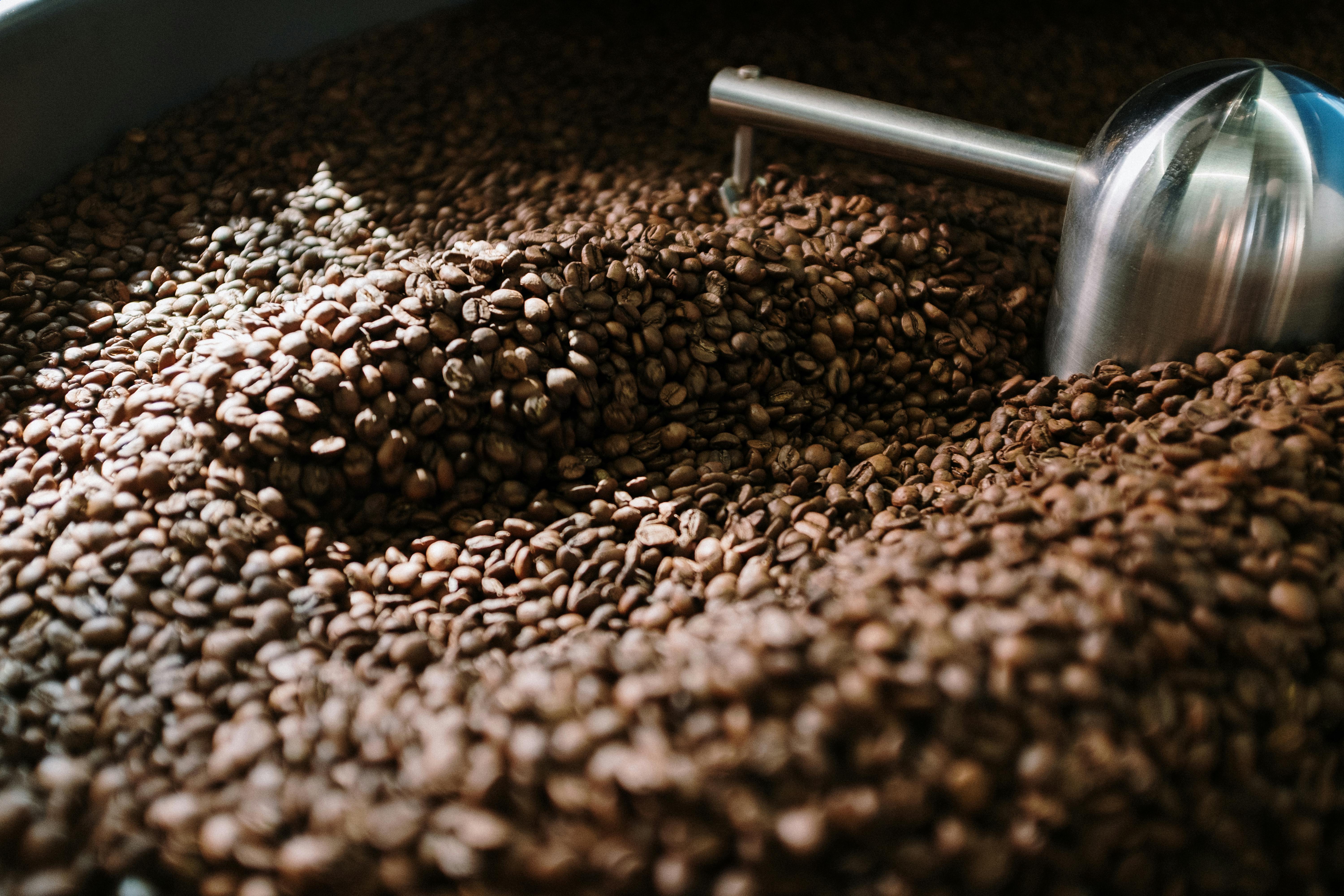
Most production roasteries now run their machines alongside a computer recording every batch. What the software provides is not automation but a record precise enough to repeat.
The core measurement is rate of change
A probe reports bean temperature continuously, and the software calculates how fast that temperature is climbing at each moment.
That rate matters more than the temperature itself. Two roasts passing through the same temperature at different rates are at different stages of development, and they taste different.
Plotting the rate as its own curve makes stalls and spikes visible immediately, where a raw temperature line would look smooth and unremarkable.
Overlaying a reference profile changes how a roaster works
A previously approved batch can be displayed underneath the current one. The roaster sees divergence as it happens rather than discovering it at the end.
Because large machines respond slowly, that early warning is what makes correction possible. A gas adjustment made when a curve begins to drift arrives in time.
This is the practical reason logging spread so quickly. It converts a slow feedback loop into something a person can act on.
Event marking builds the documentation
Roasters mark first crack, gas changes, airflow changes and the drop by keystroke, and those events are stored against the curve.
The resulting log states not only what the temperature did but what was done to it and when. That is what allows another roaster to reproduce the batch.
Over time the accumulated logs also show how a green lot changes as it ages, since the same profile requires different inputs after several months.
The software does not roast the coffee
A curve that matches a reference exactly can still produce a poor cup if the reference itself was wrong or the green has changed.
Probes also read their own position rather than the beans as a whole, so the numbers are machine-specific and not comparable between roasteries.
Cupping remains the arbiter. The log explains why a batch tasted as it did; it does not determine whether the taste was good.
Automation is a separate step
Some systems can control gas and airflow directly, replaying a stored profile without a person at the controls.
This works well for repeat production of a settled profile and poorly for development, where judgment about an unfamiliar coffee is the whole task.
Most roasteries use logging for everything and automation selectively. The record is universally useful; handing over control is a narrower decision.