Roasting
Roast Colour Is A Poor Measurement
Judging a roast by how dark the beans look ignores what happened inside them, and two coffees of identical colour can be developed completely differently.
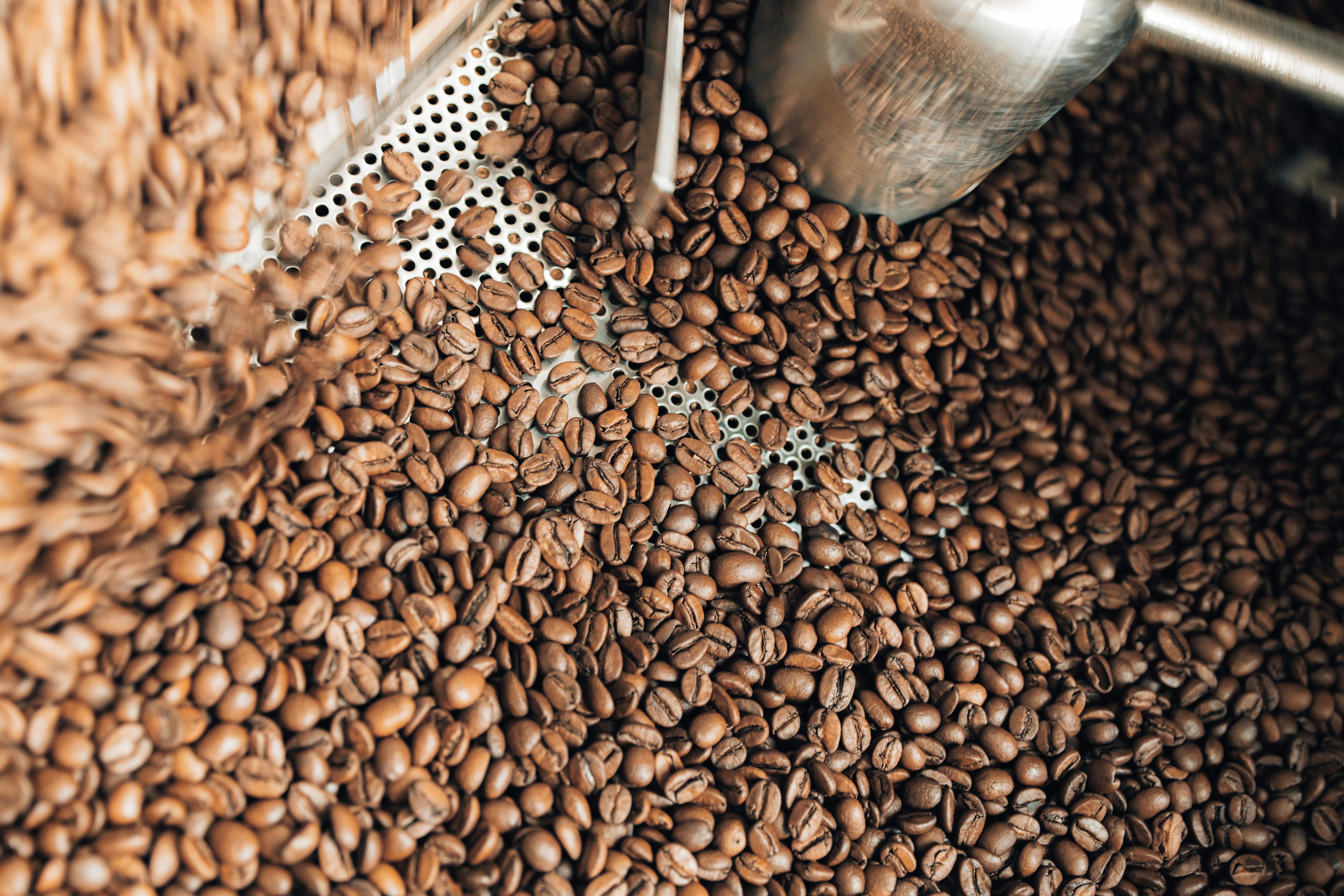
Roast level is almost universally communicated as a colour, from light through medium to dark. Colour is a genuine output of the roasting process, but it describes only the surface and only one dimension of what took place.
Colour comes from surface reactions
Browning during roasting results from reactions between sugars and amino acids, along with the caramelisation of sugars, both of which produce coloured compounds.
Those reactions proceed fastest where heat is highest, which is the outside of the bean, so surface colour develops ahead of the interior.
A bean can therefore look properly roasted while its centre remains behind, and nothing about the exterior reveals the discrepancy.
Time and temperature are not distinguishable from colour
The same darkness can be reached quickly with high heat or slowly with gentle heat, and the two routes produce quite different chemistry inside the bean.
A fast roast leaves more of the original acids intact and gives a sharper cup, while a slow one to the same colour tastes rounder and heavier.
Colour records where the reactions ended up, not the path taken to get there, and the path is what determines most of the flavour.
Grinding reveals the disagreement
Measuring colour on whole beans reads the surface, while measuring on ground coffee averages the surface with the interior that was previously hidden.
A large gap between the two readings indicates a roast that developed unevenly through the bean, typically from too much heat applied too fast.
Roasters who measure colour usually take both readings for this reason, and the difference between them is more informative than either figure alone.
Oil on the surface is a separate signal
Beans that appear shiny have had oils migrate outward through the now-porous structure, which happens well into the dark roast range.
Surface oil accelerates staling, since those oils are exposed to air directly rather than being protected inside the cell structure.
A shiny bean is therefore reporting both a roast level and a shorter shelf life, and neither is captured by a colour name on a label.
Labels are relative to the roaster
There is no shared standard behind the words light, medium and dark, so one roaster's medium can be darker than another's medium-dark.
Some roasters publish numeric colour readings, which at least allows comparison between batches from the same measuring device.
For a drinker, the more useful information is usually the intended brewing method and the tasting notes, since those describe outcomes rather than a proxy for them.