Tea
Resteeping, And Why Leaves Have More To Give
Whole leaves release their soluble material gradually, so a single long steep discards most of what the leaf holds and flattens the flavour that remains.
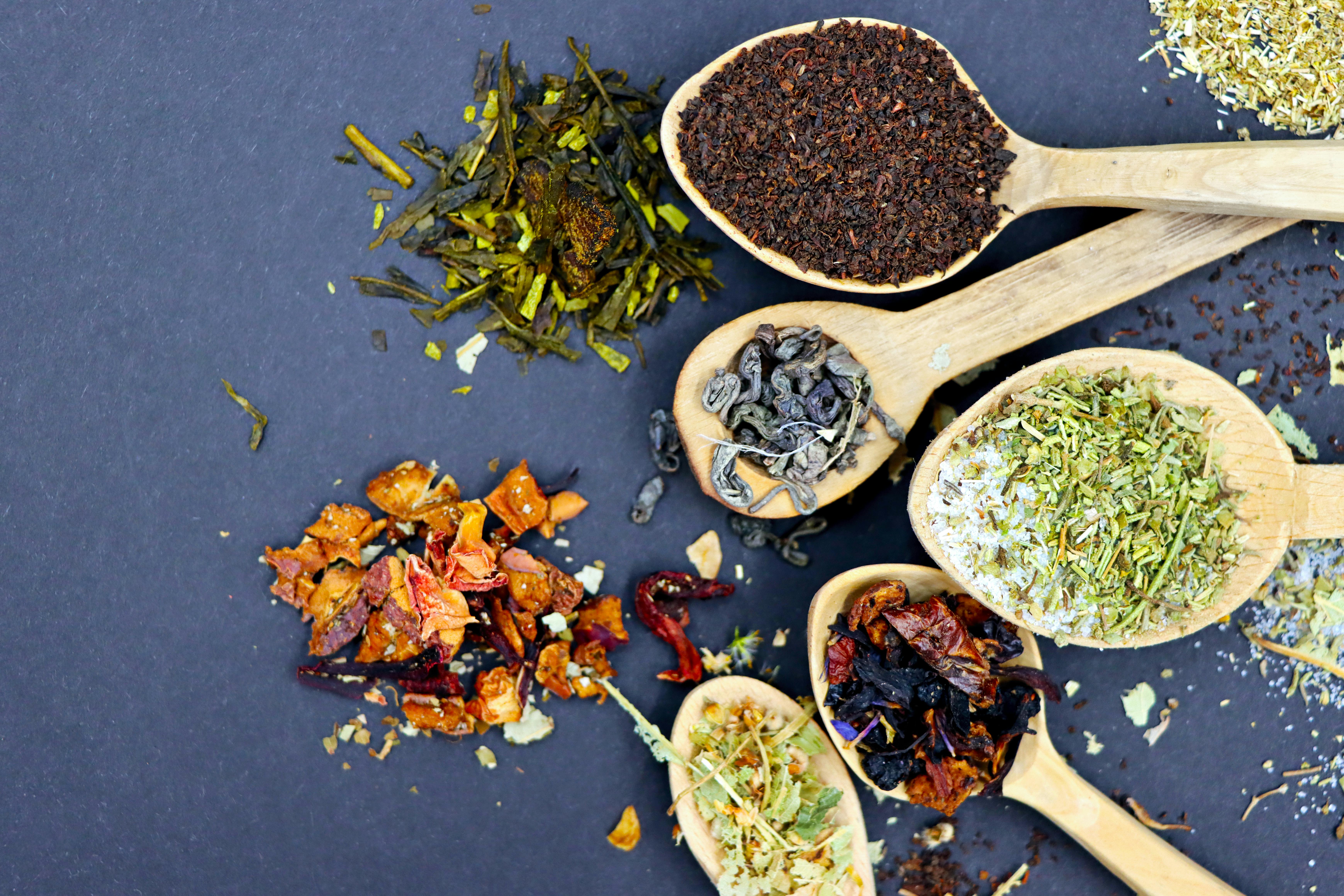
A pot of tea is usually made once and thrown away. Good whole-leaf tea will make several infusions, and the later ones are not weak versions of the first.
Extraction from a leaf is slow and layered
Compounds in tea dissolve at different rates. Caffeine and simple amino acids leave quickly, while larger polyphenols and aromatic material come out more gradually.
A short first steep therefore takes mostly the fast fraction, leaving a leaf that still holds a substantial amount of what makes the tea interesting.
Steeping again with fresh water restarts the process on that remaining material, which is why the second cup tastes different rather than diluted.
Leaf integrity decides whether it works
Broken leaf and dust expose enormous surface area and release almost everything in a single infusion. There is nothing left for a second.
Whole rolled or twisted leaves unfurl over successive steeps, exposing new surface each time. The physical opening of the leaf is part of the mechanism.
This is the practical reason tightly rolled oolongs and compressed teas resteep so well while a teabag does not.
Short steeps with more leaf change the shape
Using a higher ratio of leaf to water and steeping briefly gives a concentrated infusion without pushing extraction far into the bitter range.
Because each steep takes only part of the available material, the leaf can be worked through many times, each pass emphasising something different.
The sequence usually moves from bright and aromatic through sweet and thick to mineral and quiet, and following it is the point of the exercise.
Timing should lengthen as you go
Later infusions have less soluble material remaining, so they need longer to reach a comparable strength. Holding time constant makes each cup weaker than the last.
A common approach is to add a few seconds each round, and rather more once the leaf has clearly opened fully.
How many rounds a tea sustains varies enormously, and the honest test is simply that you stop when the cup stops being interesting.
Storage between steeps matters
Wet leaves left standing for hours continue to oxidise and can turn sour, so a session is best completed rather than resumed the next day.
Draining the vessel completely between infusions prevents the leaf stewing in residual liquid, which is the usual cause of an unpleasant later cup.
Treating the leaf as something to be worked through in one sitting is a small change in habit that considerably raises what a given tea delivers.