Tea
Kombucha And Where The Tea Sits In It
Kombucha is sweetened tea fermented by a culture of yeast and bacteria, and the tea is not incidental: its compounds feed and constrain the fermentation itself.
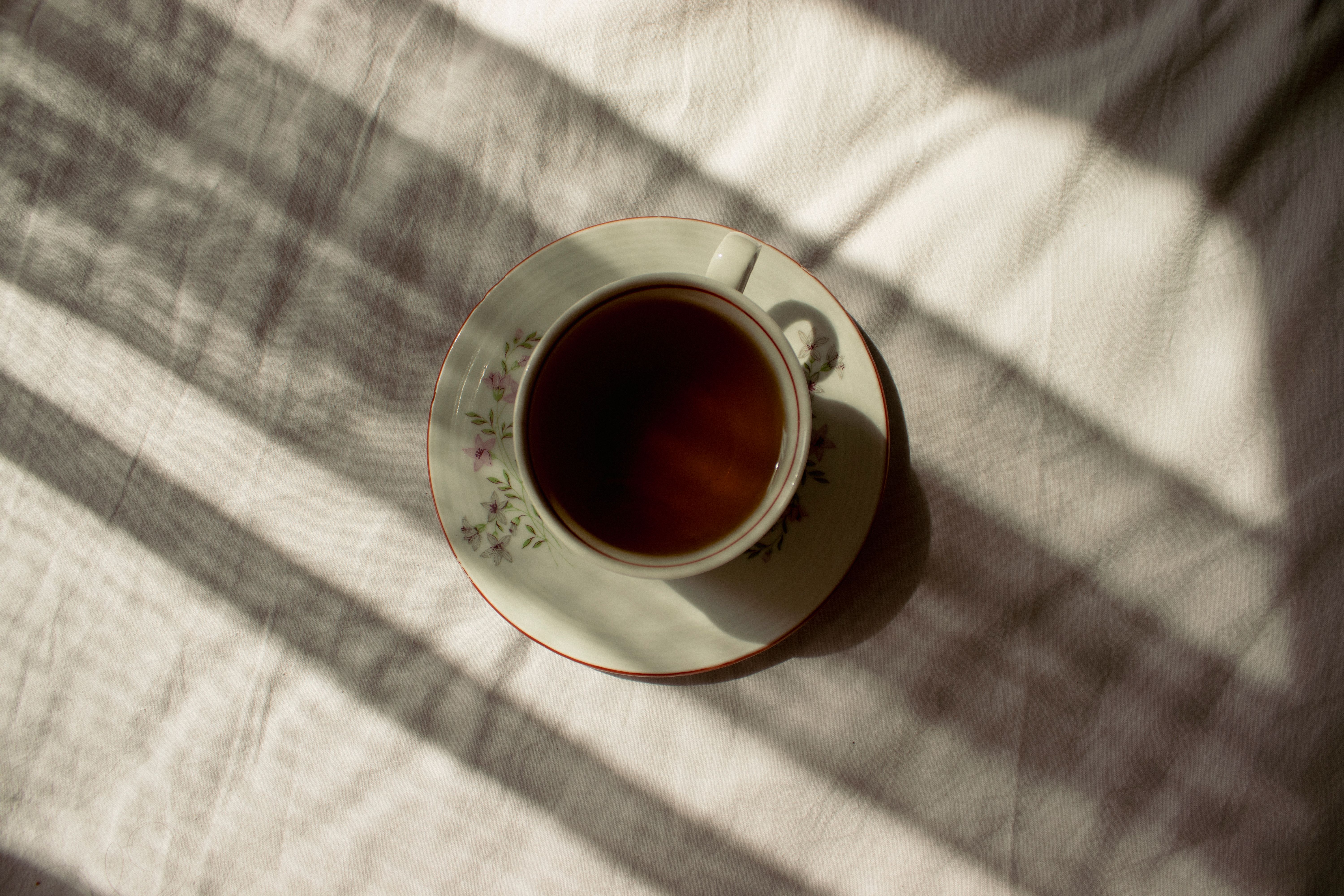
Kombucha is sold widely across American grocery stores and made at home in large quantities. It begins as brewed sweet tea, and the tea does structural work rather than supplying flavor alone.
The base is tea and sugar, in that order
A batch starts with strongly brewed tea sweetened with sugar and cooled. A culture of yeast and bacteria is added along with liquid from a previous batch.
Yeasts convert the sugar into simpler compounds, and bacteria then convert those into acids. The finished liquid is tart because of those acids rather than because of the tea.
The sugar is consumed by the culture rather than serving as sweetener. A batch fermented longer is less sweet and more acidic, since more of it has been used up.
Tea compounds feed and restrain the culture
Tea supplies nitrogen compounds and minerals the organisms need. Fermenting plain sugar water works poorly by comparison.
Polyphenols in tea also have antimicrobial effects that suppress organisms outside the intended culture. The tea is part of what keeps a batch stable.
This is why substituting herbal infusions for tea causes trouble. They lack the same compounds, and cultures maintained on them tend to weaken across generations.
Black and green teas behave differently
Black tea is the traditional base and ferments predictably, giving a fuller, more tannic result. Its higher oxidation changes the polyphenol mix available.
Green tea produces a lighter, sharper result and often ferments faster. Some makers blend the two to balance speed against body.
Flavored and scented teas can carry oils that interfere with the culture over repeated batches. Adding flavor after fermentation avoids the problem.
Acidity is the safety mechanism
The starter liquid added at the beginning drops the pH immediately, which is what discourages unwanted organisms before the culture establishes itself.
Home batches that skip the starter, or dilute it heavily, are the ones that go wrong. The protection is chemical rather than a matter of cleanliness alone.
Anyone brewing at home should read current food-safety guidance rather than relying on tradition, since handling, container choice and storage all matter.
The second fermentation adds the carbonation
Bottling the finished liquid with a little added fruit or sugar restarts activity in a sealed container. The carbon dioxide produced has nowhere to go and dissolves.
That step is where most flavoring happens, and it is also where pressure builds. Bottles left too long at room temperature can become genuinely dangerous.
Refrigeration slows the culture sharply, which is how a finished bottle is stabilized. Commercial production controls the same variables with tighter measurement.