Tea
Japanese green tea: sencha, gyokuro and the rest
Steamed rather than pan-fired, which produces a completely different green tea from the Chinese tradition.
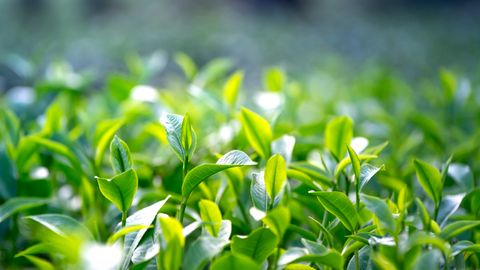
Japanese green tea is defined by steaming. Chinese green tea is defined by pan-firing.
That single processing difference produces two traditions that taste almost nothing alike.
Why steaming matters
Steaming halts oxidation rapidly and preserves chlorophyll, producing the intense green colour and the vegetal, marine, umami character that defines Japanese tea.
Pan-firing produces a drier heat, generating nutty, toasty, chestnut character.
Steaming duration itself is a variable.
Asamushi, lightly steamed, produces a clearer liquor with more delicate character and intact needle-shaped leaves.
Chumushi, medium steamed, the most common.
Fukamushi, deep steamed, breaks down the leaf more, producing a cloudy green liquor with a fuller, sweeter, less astringent character and considerable fine sediment.
Fukamushi is increasingly popular and is more forgiving to brew.
The main types
Sencha. The everyday tea, accounting for the majority of Japanese production.
Grown in full sun, steamed, rolled into needles, dried.
Grassy, marine, with a balance of sweetness, umami and astringency. First flush spring sencha, called shincha, is prized for its freshness.
Gyokuro. Shade-grown for roughly three weeks before harvest, like matcha.
Shading increases theanine and reduces catechins, producing intense umami, sweetness and a distinctive marine depth with almost no astringency.
Brewed at very low temperature — around fifty to sixty degrees — with a high leaf quantity and a small volume of water.
The result is a small quantity of intensely savoury liquor, closer to a broth than to what most people expect from tea.
Kabusecha. Shaded for a shorter period, sitting between sencha and gyokuro.
Bancha. Later harvests and coarser leaves. Lower in caffeine, milder, more everyday.
Hojicha. Roasted green tea, usually bancha, roasted in a pan or drum until brown.
Nutty, toasty, sweet, very low in caffeine and astringency. Frequently served in the evening and to children.
Delicious and hugely underrated outside Japan.
Genmaicha. Green tea blended with roasted brown rice, some of which pops like popcorn.
Toasty, savoury, comforting. Originally a way to extend expensive tea and now a category in its own right.
Kukicha. Made from stems and stalks rather than leaves. Sweet, mild, low in caffeine, with a distinctive creamy quality.
Matcha, covered separately.
Brewing Japanese green tea
The main error is water temperature.
Sencha: around seventy degrees, one minute, roughly five grams per one hundred fifty millilitres.
Fukamushi sencha: similar, with shorter steeps of thirty to forty-five seconds since the broken leaf extracts faster.
Gyokuro: fifty to sixty degrees, two minutes, ten grams per sixty millilitres. A high leaf quantity and a tiny volume.
Bancha, hojicha, genmaicha: considerably hotter, ninety to boiling, thirty to sixty seconds.
Roasted and coarse teas want hot water; delicate shaded ones do not.
Multiple infusions
Japanese greens resteep well, and the character changes markedly.
The second infusion is typically brewed hotter and shorter than the first, and is frequently the most balanced.
Three infusions is normal; good gyokuro yields more.
A traditional practice with gyokuro is to eat the spent leaves afterward with a little soy sauce or ponzu, which is genuinely good and reflects how nutritionally substantial the shaded leaf is.
The kyusu
The traditional Japanese teapot, with a side handle and a built-in mesh filter.
The filter matters for fukamushi teas, which produce substantial fine sediment that clogs ordinary strainers.
Pour completely each time, leaving no water on the leaves, since residual water continues extracting and makes the next infusion bitter.
Seasonality and grades
Japanese tea is strongly seasonal, and the harvest matters more than for most origins.
The first flush, harvested in spring, is called ichibancha and produces the most prized tea — sweeter, more aromatic, higher in theanine.
Shincha is the very earliest of that first flush, sold fresh and drunk within months. It is a seasonal event in Japan rather than a year-round product.
Second and later flushes, nibancha and beyond, produce more astringent and less sweet tea, and are typically used for bancha, hojicha and blends.
Cultivar is also frequently specified, which is unusual in tea. Yabukita dominates production; Asatsuyu, Okumidori, Saemidori and others each contribute distinct character, and single-cultivar teas are increasingly available.
Region matters too — Uji, Shizuoka, Kagoshima and Yame each have a reputation and a style.
Storage
Japanese green tea is the most perishable tea category.
Sealed, refrigerated or frozen for long-term storage, brought to room temperature before opening to prevent condensation.
Buy small quantities. Shincha in particular is a seasonal product to be drunk within months.
A tea that has lost its vivid green colour and smells hay-like has gone, and no brewing adjustment recovers it.