Roasting
Degassing, And Why Fresh Is Not Best
Coffee roasted yesterday brews badly because it is still releasing carbon dioxide, which interferes with water reaching the grounds and distorts extraction.
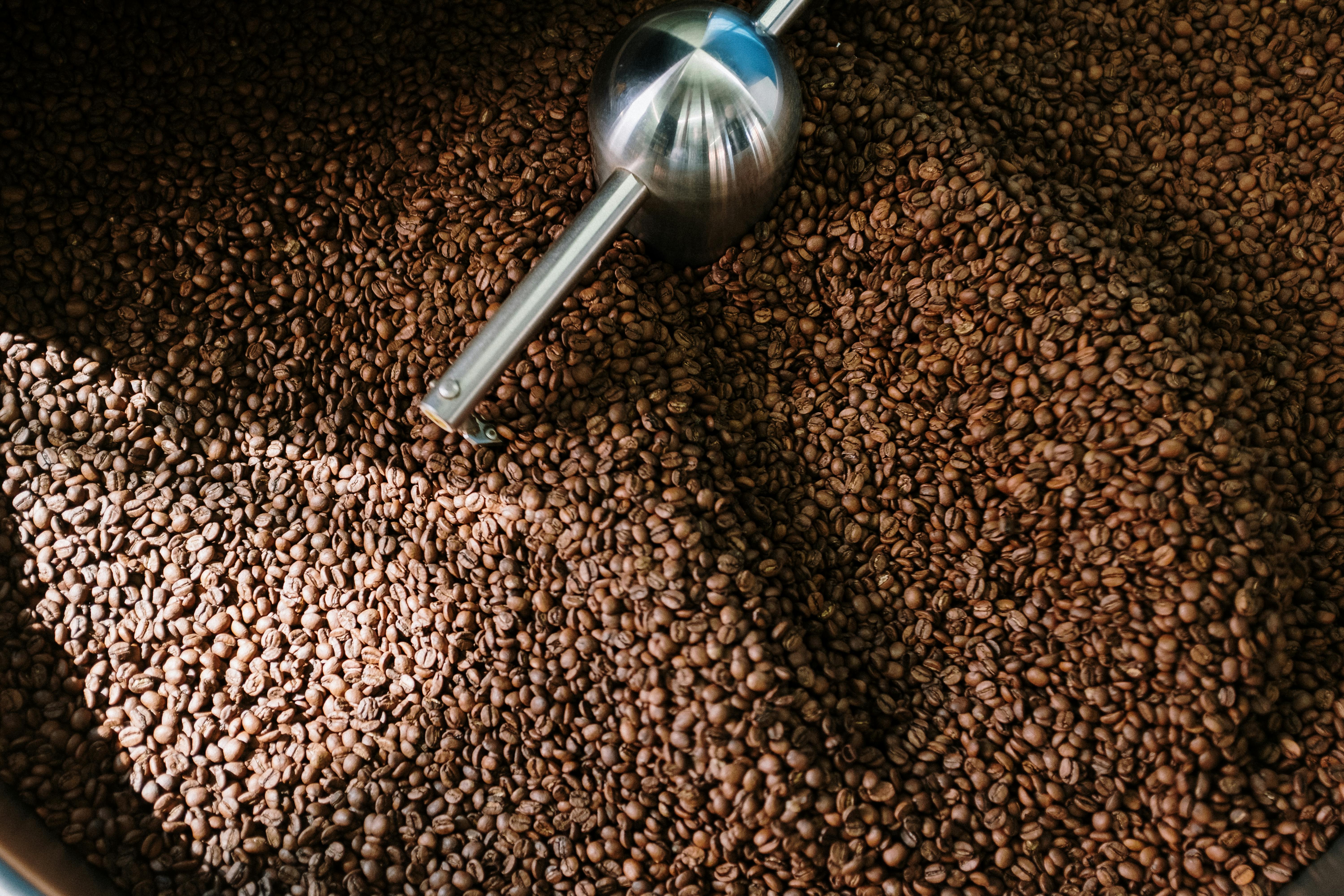
Freshness is treated as an unqualified virtue in coffee, yet a bag opened the day after roasting usually brews poorly. The reason is a gas that needs time to leave before the coffee behaves predictably.
Roasting generates gas that stays inside
The chemical reactions of roasting produce carbon dioxide in substantial quantity, and the porous structure of the roasted bean traps a large share of it.
Release begins immediately but proceeds slowly, with the rate falling off over days as the readily available gas escapes and the remainder works its way out.
This is why one-way valves appear on coffee bags, allowing gas out while keeping oxygen from getting in.
Gas interferes with brewing directly
When hot water meets very fresh grounds, escaping gas physically pushes water away from particle surfaces and prevents even saturation of the bed.
In pour over this shows as a violently swelling bloom and an unpredictable flow rate, since the bed structure keeps changing while the brew proceeds.
In espresso the gas comes out of solution under pressure and inside the puck, disturbing the bed and producing shots that gush and taste hollow.
Extraction reads low while it lasts
Because water cannot reach all the coffee evenly, measured extraction from very fresh coffee tends to come out lower than the same coffee a week later at identical settings.
Compensating by grinding finer works until the gas subsides, at which point the setting is suddenly too fine and the brews turn bitter.
That reversal is a common source of confusion, since nothing changed except the age of the coffee in the hopper.
The useful window depends on the roast
Darker roasts are more porous and release gas faster, often settling within a few days, while dense light roasts can take a week or two to become predictable.
Espresso generally benefits from a longer rest than filter, because the pressurised environment amplifies the disruption gas causes.
Whole beans hold gas far longer than ground coffee, which loses most of it within minutes of grinding along with a good deal of aroma.
Staling begins once degassing ends
The carbon dioxide leaving the bean also displaces oxygen inside it, so while degassing continues the coffee is partly protected from oxidation.
As gas pressure falls, air moves in, and the slow loss of aromatics and development of stale character begins in earnest.
The practical result is a window rather than a peak, opening several days after roasting and closing gradually over the following weeks depending on storage.