Roasting
Contract Roasting And Private Label Coffee
A great many coffee brands do not own a roaster, because contract roasteries produce to a customer's specification and let a brand exist without capital equipment.
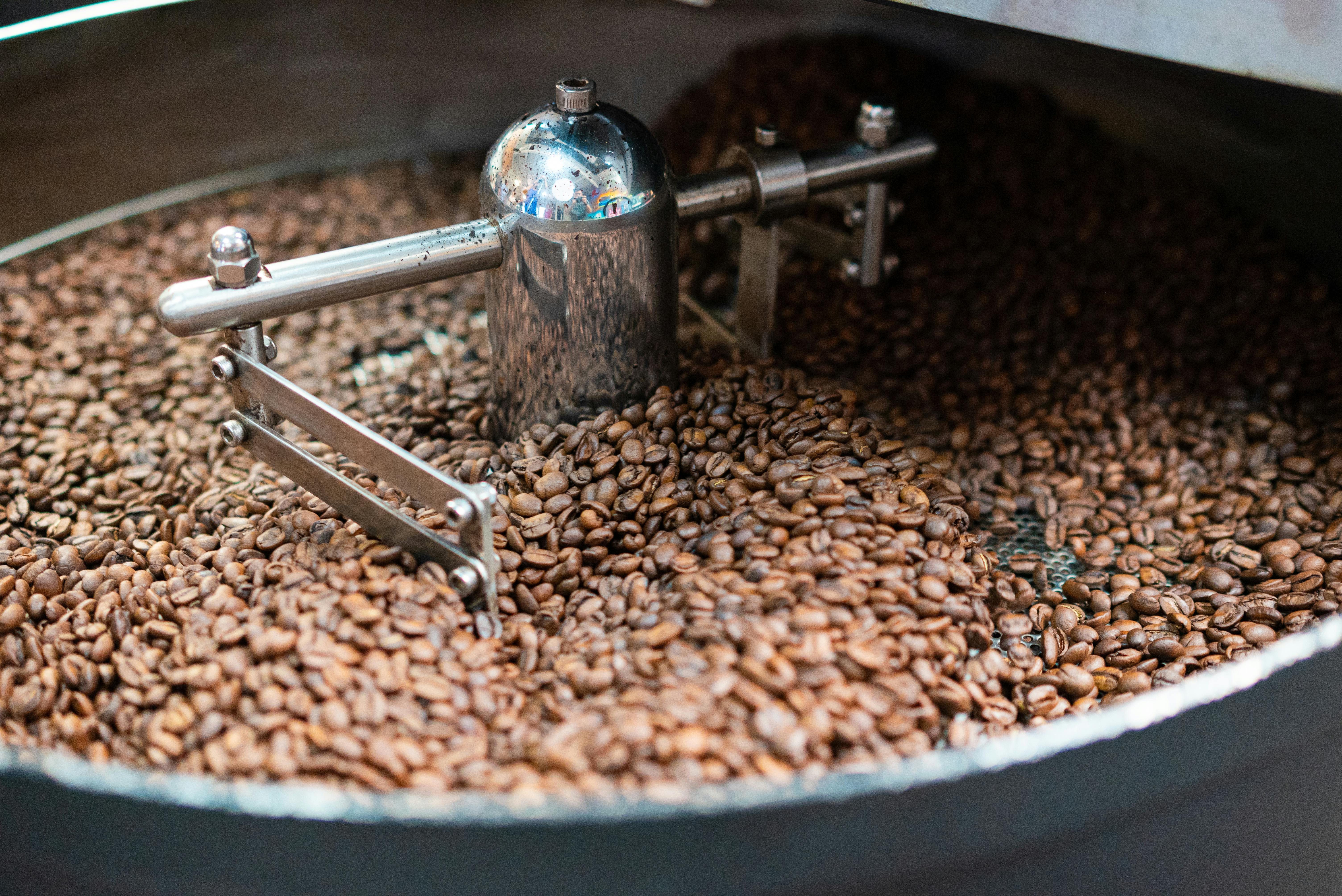
Behind a large share of packaged coffee is a roastery that does not appear on the bag. Contract roasting is a substantial and mostly invisible part of the industry.
Roasting equipment is capital-intensive and idle
A production roaster, its ventilation, its afterburner and the building code compliance around it represent a large investment. A small brand cannot justify that for the volume it sells.
Even a busy roastery runs its machine for part of the week. Selling that spare capacity to other brands is straightforward additional revenue.
The arrangement therefore suits both sides. One party has equipment and expertise, the other has a market and a label.
The specification is what the customer actually buys
A contract customer supplies a target profile, sometimes a green coffee selection, and sometimes only a description of the desired taste and price point.
The roastery matches that specification, often developing a profile through sample roasts approved by the customer before production begins.
Once approved, the profile is documented and repeated. Consistency is the core deliverable, since the brand is promising the same product every time.
Green sourcing is frequently included
Many contract roasters buy the green coffee as part of the service, using their existing importer relationships to hit a price and quality target.
That means the brand may not know which specific lots are in the bag from batch to batch, only which flavor profile was specified.
Brands that care about traceability buy their own green and have it roasted to order. This is common among companies whose story depends on sourcing.
Private label is the same arrangement at retail scale
Store-brand coffee on a supermarket shelf is produced this way, typically by large roasteries serving multiple chains from the same facility.
The result is that competing house brands can come from a single plant, differing in blend specification rather than in origin of manufacture.
Price points are set first and the blend is built to meet them. The green coffee selected is whatever satisfies the target at the required cost.
What the bag can and cannot tell you
Packaging laws generally require the roaster's identity or address to appear somewhere, often in small print, though the form varies.
A roast date, a specific origin and a named farm suggest a brand with direct involvement in production. Generic descriptors and a distant best-by date suggest the opposite.
Contract roasting is not a quality problem in itself. Excellent coffee is produced this way, and the arrangement says more about business structure than about the cup.