Roasting
Charge Temperature And The Start Of A Roast
The temperature a roaster is heated to before beans go in determines how much energy the batch receives in its first minutes, and it shapes everything that follows.
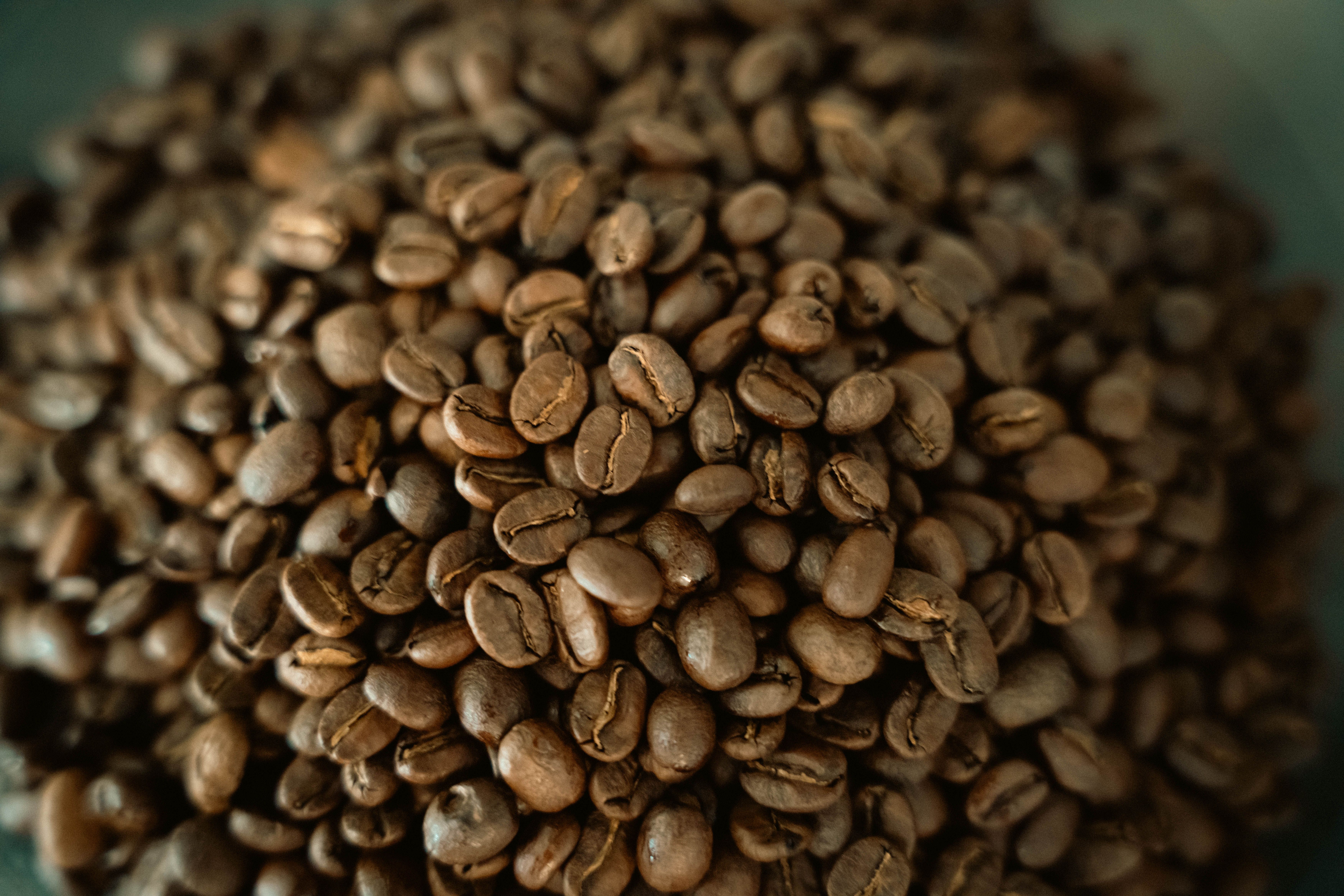
A roast begins with a decision made before any coffee is in the machine. The charge temperature sets the energy available at the start and constrains the rest of the profile.
The drum stores heat and gives it back
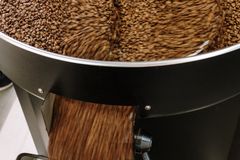
A roaster is preheated so its metal mass holds thermal energy. When room-temperature beans enter, that stored heat transfers into them rapidly.
The reading on the bean probe drops sharply as this happens, since the sensor is now surrounded by cold coffee. It falls until the heat entering the beans matches the heat leaving them.
That low point is called the turning point, and its timing tells the roaster how much energy the batch actually received. It is one of the first meaningful data points in a roast.
Charge temperature and batch size interact
A larger batch absorbs more heat, so the same charge temperature produces a deeper and later turning point. The machine has more mass to warm.
Roasters therefore adjust charge temperature when batch size changes rather than treating it as a fixed setting.
Ignoring this is one reason a profile that works at full capacity fails at half. The starting energy no longer matches the load.
Bean characteristics change the appropriate charge
Dense, high-grown coffees tolerate and often need more aggressive early heat to drive moisture out and reach first crack in a reasonable time.
Softer, lower-density beans scorch more easily at the same charge, since heat penetrates the surface faster than it can move inward.
Moisture content matters too. Wetter green absorbs more energy in the drying phase and can take a higher charge without damage.
Too high and too low both cause problems
An excessive charge scorches the bean surface, producing tipping and facing marks that carry a burnt edge into the cup regardless of how the roast finishes.
Too low a charge leaves the batch struggling to gain momentum, and the roast stretches out. Extended time at low energy produces flat, baked flavors.
Neither can be recovered later. The first minutes set a trajectory that adjustments afterward can moderate but not undo.
Consistency between batches depends on it
Back-to-back batches leave the drum hotter than a cold start, so the same nominal charge temperature represents different amounts of stored energy.
Roasters manage this by allowing the machine to stabilize between batches or by adjusting charge in a planned sequence through a production run.
Where this is not controlled, the first batch of the day and the fifth taste noticeably different. The variable is the machine's condition rather than the coffee.