Tea
Brisk, Malty And The Tea Taster's Vocabulary
Professional tea tasting uses a compact technical vocabulary where words like brisk and pointy have precise meanings that differ from their everyday sense.
Tea buyers describe samples with a small set of terms that sound impressionistic and are not. Each word points at a specific, repeatable sensory observation.
The vocabulary exists to make trade possible
Lots are bought and sold on the basis of tasting notes exchanged between people in different countries who may never taste together.
That requires words with agreed meanings. A term that means one thing to a buyer and another to a seller is worse than no term at all.
The vocabulary developed inside the auction system and is taught by apprenticeship. It stayed compact because it is a working tool rather than a descriptive art.
Briskness describes structure, not flavor
Brisk refers to a lively, mouth-cleaning quality produced by astringency in balance with body. A brisk tea feels crisp rather than heavy.
It is a desirable trait in black teas destined for blends, particularly those drunk with milk, because it survives dilution.
Its opposite is not weak but soft or flat: a tea that fills the mouth without any edge. Both descriptions are about texture rather than aroma.
Body, liquor and infusion refer to different things
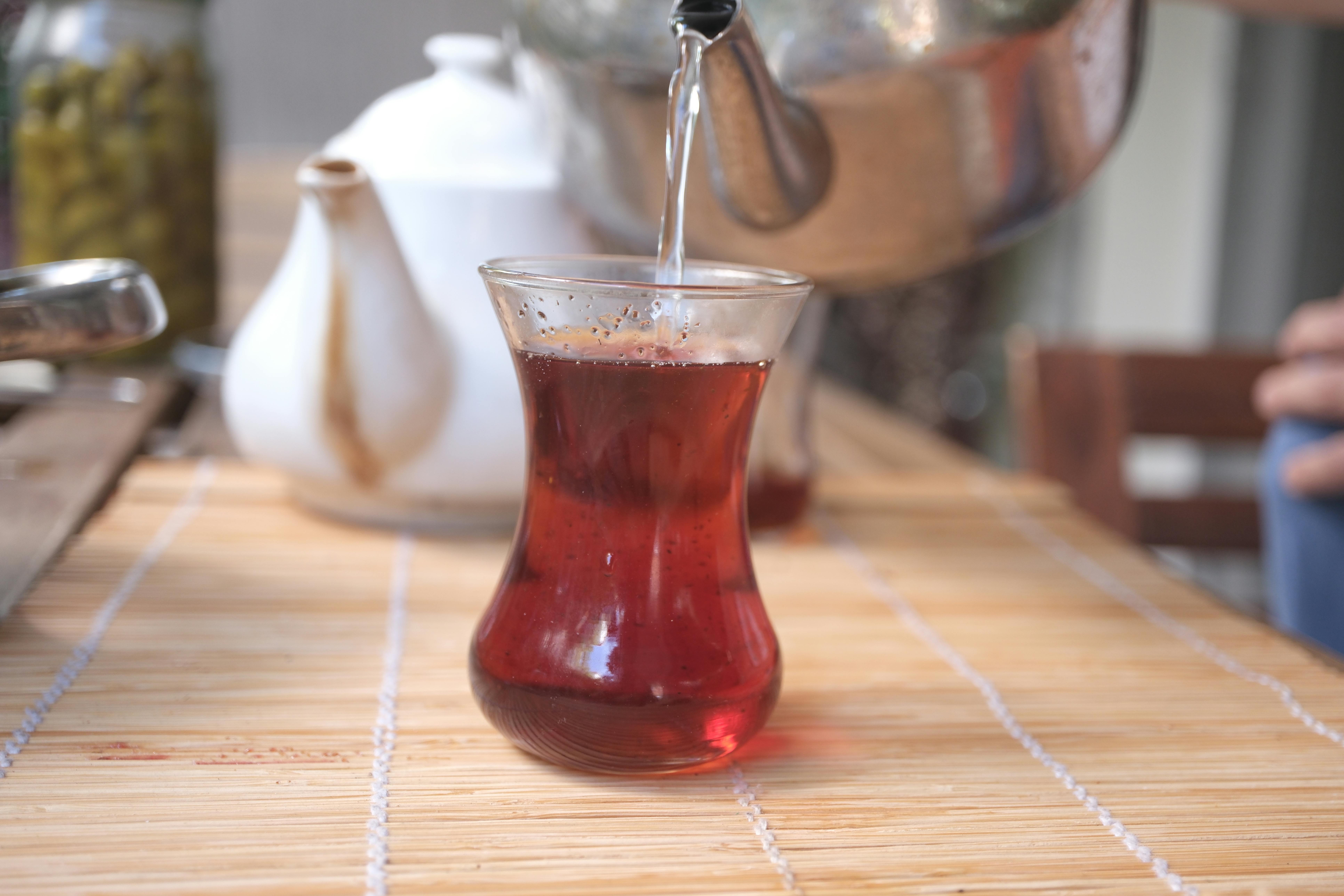
Liquor means the brewed liquid itself, and comments about its color and clarity refer to appearance in the cup rather than to taste.
Infusion means the wet leaf after brewing, which is examined separately. Its color and evenness reveal how the tea was processed and whether oxidation was uniform.
Body means the weight and fullness of the liquid in the mouth. A tea can be dark in the cup and light in body, and the two are assessed independently.
Some terms name specific faults
Bakey indicates leaf dried at too high a temperature, giving a hard, toasted character. Stewed indicates the opposite problem in withering or firing.
Flat means a tea that has lost its aromatics, usually through age or poor storage. It is a condition rather than a style.
Naming faults precisely matters commercially, because the fault determines whether a lot is repriced, blended away or rejected outright.
Standardized brewing makes the terms comparable
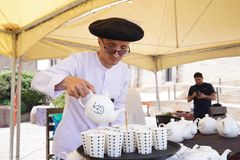
Tasting sets use a fixed weight of leaf, a fixed volume of water and a fixed steep time, poured into identical white cups.
Without that discipline the vocabulary would describe the brewing rather than the tea. Standardization is what makes a note portable between tasters.
Home tasting benefits from the same approach. Comparing two teas is only meaningful when everything except the leaf is held constant.