Roasting
Blending Before The Roast Or After
Roasters can combine components as green coffee and roast them together, or roast each separately and mix afterwards, and the choice is a trade between consistency and control.
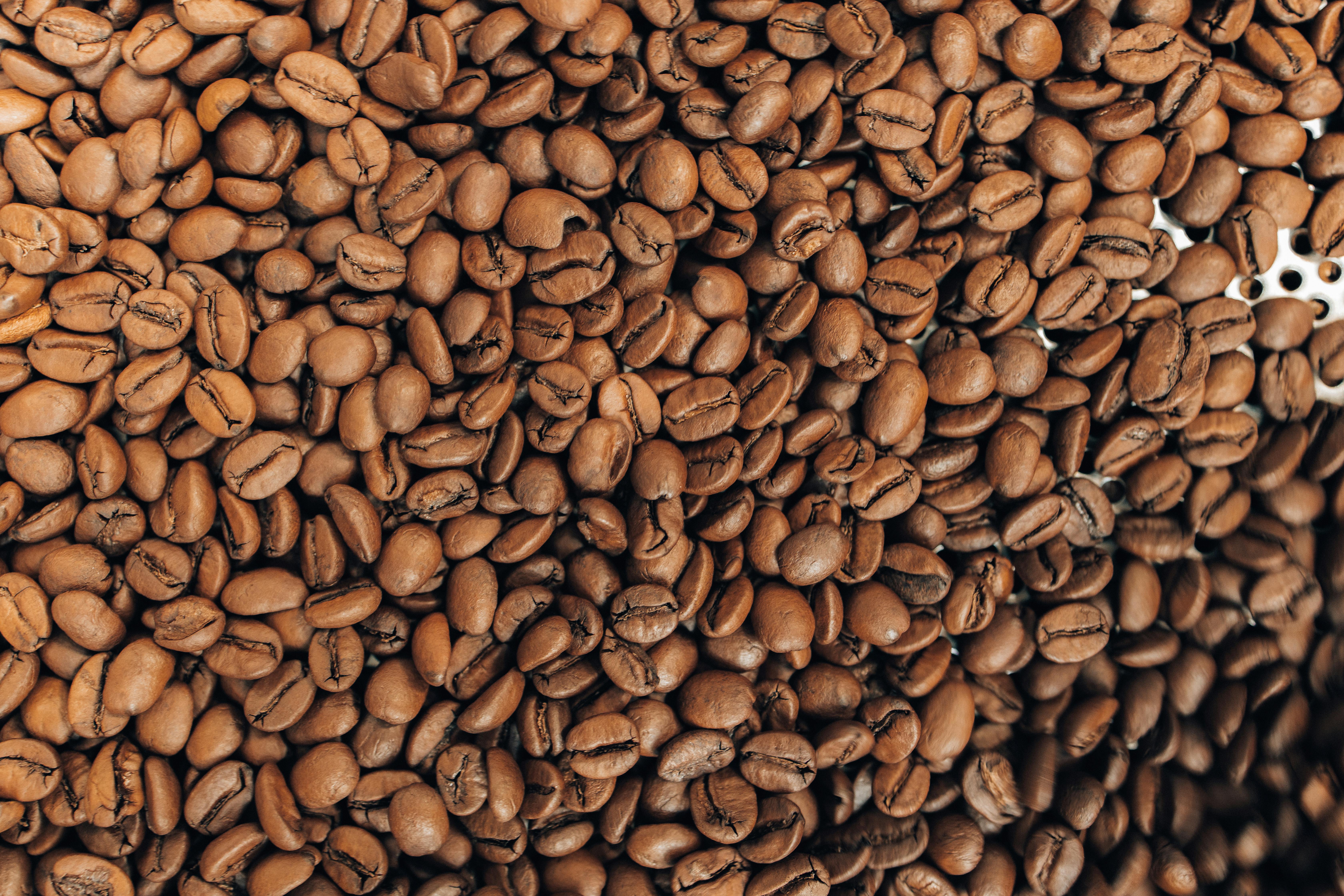
A blend is a mixture of coffees from different origins or lots, and there are two ways to make one. The decision about when to combine them affects both the flavour and the practicality of production.
Pre-blending roasts everything together
Components are combined as green coffee and the mixture is roasted as a single batch, which means one roast profile applies to all of them.
The process is simpler and cheaper, requiring one roast instead of several and eliminating a mixing step afterwards.
It also produces a very consistent result batch to batch, since the proportions are fixed at the start and cannot drift during handling.
Different beans want different profiles
Density, moisture content and bean size all affect how a coffee takes heat, and components in a blend frequently differ substantially in all three.
Roasting them together means the profile suits some components better than others, so a dense high-grown bean may finish under-developed alongside a softer one that is already past its best.
The result can be a blend where the individual coffees are each slightly wrong even though the mixture is acceptable.
Post-blending roasts each component to suit it
Roasting separately allows every component to receive the profile that shows it best, after which the roasted coffees are weighed and combined.
This gives the roaster far more control, and it allows the same component to appear in several blends at different roast levels.
The cost is time and complexity, since small batches of each component must be roasted and tracked, and the mixing must be accurate.
Consistency risks differ between the two
Pre-blended batches vary only as much as the roast varies, since the composition is settled before the roaster is loaded.
Post-blending introduces a weighing step where errors can creep in, and it requires holding stock of each roasted component at the right freshness.
Separated components also degas at different rates, so a freshly mixed blend can behave inconsistently until the parts have settled.
Scale usually decides the practice
Large operations producing high volumes of a stable blend generally pre-blend, because the efficiency gain is significant and the components are chosen to roast compatibly.
Smaller roasters working with seasonal lots more often blend after roasting, since it lets them substitute components as availability changes without redesigning the profile.
Neither approach is inherently better, and a well-chosen set of components that roast similarly removes most of the disadvantage of doing it the simple way.