Roasting
Storing coffee properly
Four things degrade roasted coffee, and most kitchen storage exposes it to all of them.
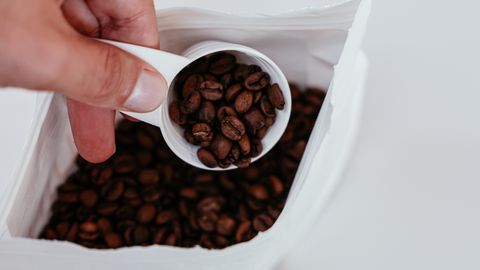
Roasted coffee is a perishable product. It does not spoil in a way that makes you ill; it simply loses everything that made it worth buying.
The four enemies
Oxygen. The main one. Oxidation degrades the aromatic compounds and turns the oils rancid.
Moisture. Roasted coffee is hygroscopic — it absorbs water from the air, which accelerates staling and dulls flavour.
Heat. Speeds up every chemical reaction, including the ones you do not want.
Light. Degrades compounds directly, which is why clear containers on a sunny counter are a poor idea however attractive they look.
Strong odours are a fifth consideration. Coffee absorbs smells readily.
The timeline
Approximate and varying by roast level and packaging.
Days one to three after roasting. Heavy carbon dioxide release. Coffee can taste gassy and unsettled, particularly for espresso.
Days four to fourteen. Generally the peak for most coffees. Espresso frequently peaks later in this window than filter.
Weeks three to five. Still good, gradually declining. Aromatics fade first.
After about six weeks. Noticeably flat. Drinkable and no longer worth what you paid.
Ground coffee follows a much faster version of the same curve, degrading substantially within hours and badly within days.
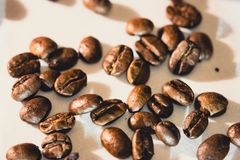
Dark roasts stale faster than light ones, because the surface oils are exposed and the cell structure is more broken down.
What to actually do
Buy in quantities you will drink in three to four weeks. The most effective step, and the one people skip because bulk is cheaper.
A large bag at a discount that is stale by week five is not a saving.
Keep beans whole and grind immediately before brewing.
Store in an airtight opaque container at room temperature, away from the hob and out of sunlight.
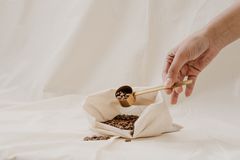
The original bag with a one-way valve, rolled tightly and clipped, works well. Valve bags let carbon dioxide out without letting oxygen in.
Dedicated coffee canisters with one-way valves or vacuum pumps work and are not essential.
Do not store in the fridge. The temperature is not low enough to help meaningfully, the humidity is high, and coffee will absorb food odours.
Repeatedly removing a container and returning it also causes condensation on the beans, which is actively harmful.
Freezing, which is more nuanced
Freezing has moved from heresy to accepted practice among people who study it, with conditions.
The reasoning: at freezing temperatures, chemical degradation slows dramatically. Coffee frozen properly can keep for months with much less loss than at room temperature.
The conditions matter.
Freeze in small, single-use portions. Enough for one brew or a few days.
Repeated freezing and thawing causes condensation, which is what gave freezing its bad reputation.
Use genuinely airtight containers, ideally vacuum sealed or with as much air excluded as possible.
Take out only what you need and return the rest immediately.
Grind from frozen, which some research suggests actually improves grind uniformity — frozen beans fracture more consistently. Do not thaw first.
For a bag you cannot drink within a month, freezing in portions is genuinely better than leaving it on the counter.
For coffee you will drink this week, it is unnecessary.
The vacuum question
Vacuum containers remove oxygen, which is the main enemy.
They also remove the carbon dioxide that coffee is releasing, which some argue accelerates the loss of aromatics dissolved in it.
Practically, vacuum storage helps more than it hurts, particularly for coffee past the first week.
It matters less than buying appropriately sized bags in the first place.
Signs coffee has gone
The aroma when you open the bag is muted or absent.
Very little bloom when you add water — no swelling, no bubbling.
The cup tastes flat, papery, or faintly of cardboard.
Darker roasts develop a rancid, greasy character from oxidised oils.
Green coffee is different
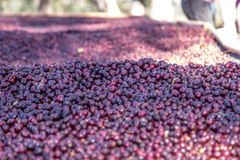
Unroasted coffee is stable for a year or more when stored cool, dry and dark, which is why importers can hold inventory.
It does age, losing brightness and developing woody, papery notes over time — which is why harvest year matters on a label.
The short version
Buy small, buy fresh, keep it whole, keep it sealed, keep it dark, keep it at room temperature, and grind it when you make it.
Everything else is a refinement on that.
Also by Marcus Obeng
- What we would tell someone starting outEquipment
- When your coffee suddenly gets worseEquipment
- A morning routine that produces good coffee every dayBrewing Methods
- Coffee grounds and wasteEquipment