Beans & Origin
Why Green Coffee Waits In A Warehouse
Coffee arrives from origin once a year but is roasted all year, so warehouses hold it in between, and how they hold it decides how fast the coffee fades.
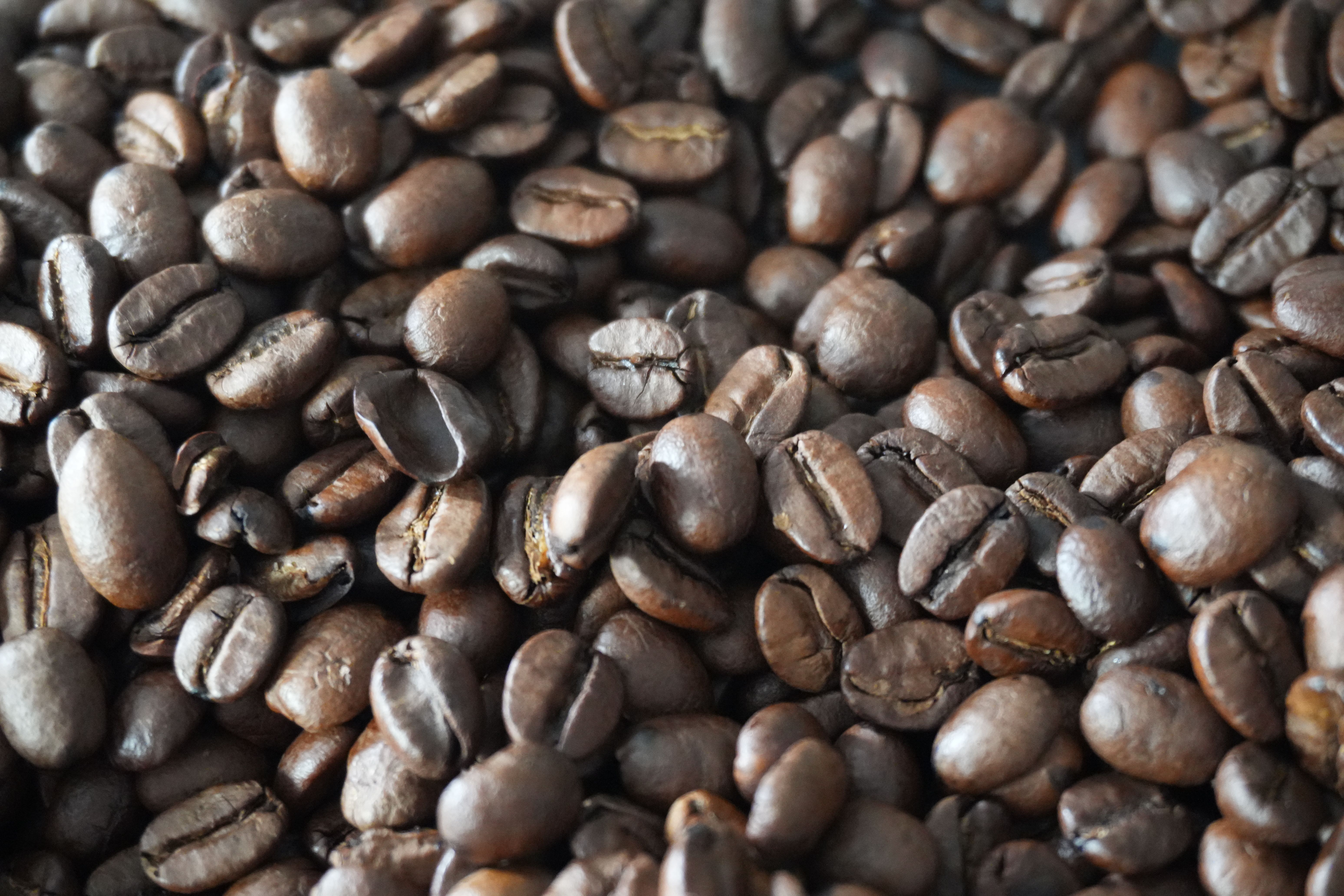
Between the shipping container and the roaster there is usually a warehouse, and coffee can sit in one for months. That storage period does more to the coffee than most drinkers realize.
Harvest is seasonal and demand is not
A producing region harvests within a window of a few months. Roasters buy across the whole year, so someone has to hold the inventory in between.
Importers take that role, buying at harvest and selling in smaller lots as roasters need them. Their warehouses are the buffer between one annual crop and continuous demand.
This is why the same coffee can be bought in small quantities all year. The alternative would require every roaster to buy a container at once.
Green coffee ages, slowly but definitely
Unroasted coffee is stable compared with roasted coffee, but it is not inert. Moisture content drifts, and the aromatic precursors that roasting develops degrade over time.
The change shows in the cup as fading acidity and a flattening of distinct origin character. Older lots taste more generic and more woody.
Trade language reflects this. Current crop, past crop and old crop describe how far a lot is from its harvest, and price follows accordingly.
Humidity and temperature govern the rate
Coffee held in a hot, humid warehouse deteriorates far faster than the same coffee held cool and dry. Water activity inside the bean is the variable that matters most.
Climate-controlled storage exists for this reason and costs more. Whether a lot gets it depends on what the coffee is worth.
Commodity coffee generally does not, since the price cannot support the expense. High-value lots often do, and the difference is visible after six months.
Packaging has changed what storage can do
Traditional jute sacks breathe, which exposes the coffee to whatever the surrounding air is doing. It is cheap and has been standard for a long time.
Sealed liners inside the sack slow moisture exchange considerably, holding the bean closer to the condition it left origin in. Vacuum packing goes further still.
These options add cost per bag and are used selectively. Their spread is one reason well-kept coffee now holds character longer than it once did.
What this means when buying roasted coffee
A roast date tells you when the bean was roasted, not when it was picked. A fresh roast of an old-crop lot will still taste tired.
Roasters who publish harvest years or arrival dates are giving genuinely useful information. Its absence is common and not by itself a bad sign.
Seasonal offerings track this directly. A roaster rotating origins through the year is usually following the arrival calendar rather than making a marketing gesture.
Also by Marcus Obeng
- What we would tell someone starting outEquipment
- When your coffee suddenly gets worseEquipment
- Coffee grounds and wasteEquipment
- Recipe notebooks and dialling in systematicallyWater & Grind