Brewing Methods
Switch Brewers And The Case For Hybrid Immersion
A dripper with a closeable valve lets the same device steep like a French press and then drain like a pour over, which fixes the main weakness of each method.
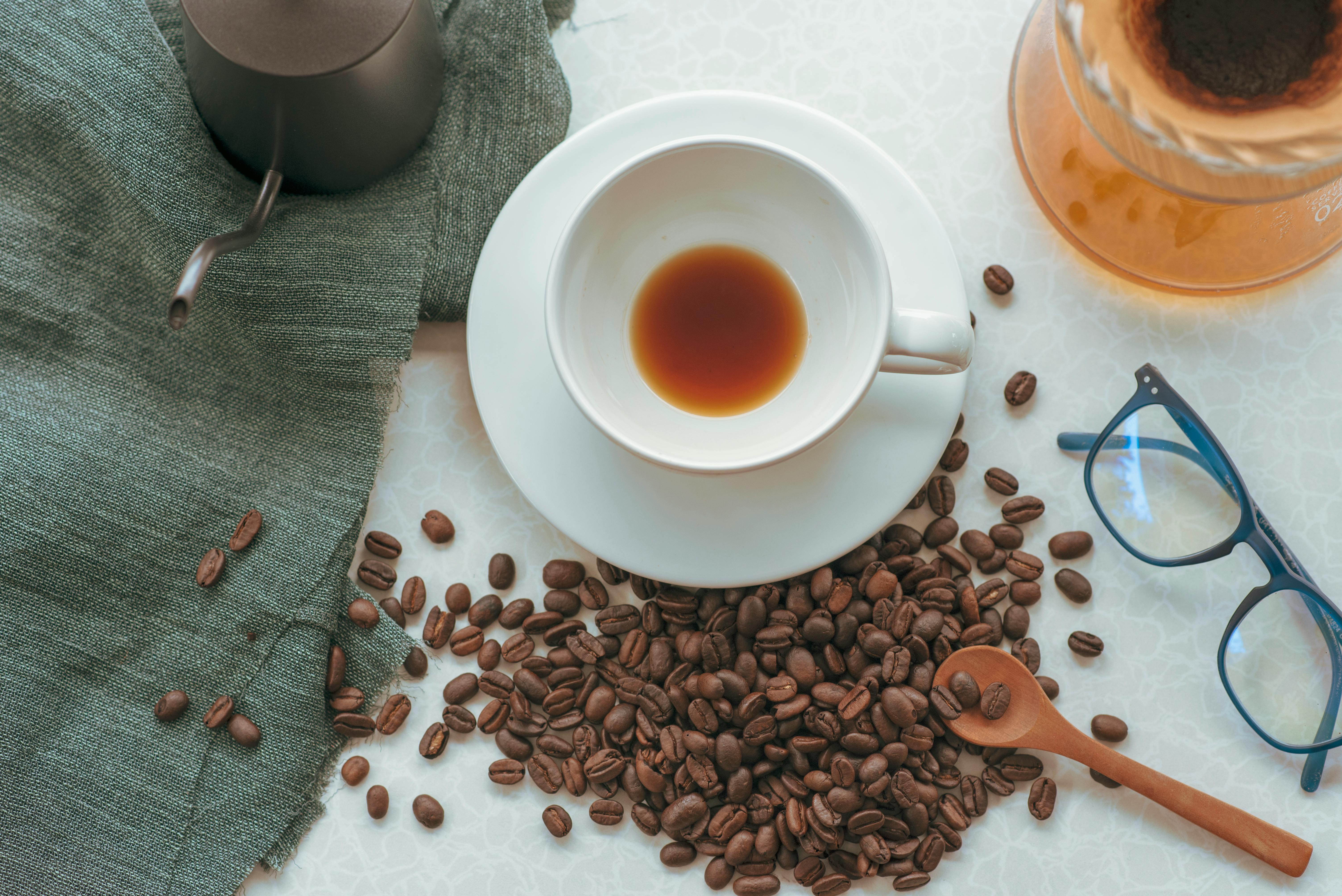
Drippers with a stopper in the base have become common in home kitchens. They allow a single brewer to run as immersion, as percolation, or as both in sequence.
Each classic method has one structural weakness
Immersion gives even contact because every particle sits in the same water for the same time. Its weakness is that the water saturates, so extraction slows as the brew proceeds.
Percolation keeps fresh water arriving, which sustains extraction. Its weakness is unevenness, since water finds paths and some grounds are worked harder than others.
A hybrid tries to take the even saturation from one and the fresh-water finish from the other. The valve is what makes the sequencing possible.
The valve turns time into a controlled variable
With the valve closed, drawdown cannot begin, so contact time is set by the brewer rather than by grind and flow rate. Grind size stops determining how long the brew lasts.
That separation is the real advantage. In a standard cone, grinding finer both increases surface area and slows the brew, and the two effects are hard to untangle.
Opening the valve then rinses the bed with the remaining water. The finish behaves like a pour over, with a paper filter removing fines and oils.
Recipes usually steep first and drain last
A common approach adds all the water, closes the valve for a set steep, then opens it and lets the bed drain. Total time is steep plus drawdown.
Variations open the valve partway through, so the last portion of extraction happens as flow rather than as immersion. This lightens the body somewhat.
Because the steep dominates, results are noticeably more repeatable than in an open cone. Pour technique matters much less.
The filter still shapes the cup
Paper removes suspended fines and much of the oil, so a hybrid brew tastes cleaner than a French press made with the same coffee and time.
That clarity is the reason many people prefer the format to a plunger. The steep gives the even extraction, and the paper gives the texture.
Metal filters in the same brewer move the result back toward a heavier cup. The valve and the filter are independent choices.
Where it is genuinely useful
Modest grinders benefit most. Where particle distribution is uneven, immersion averages out much of the difference that a cone would expose.
It also suits anyone brewing while doing something else, since the steep runs unattended and the pour is a single action.
The format does not make better coffee than a well-executed pour over with a good grinder. It makes decent coffee far harder to get wrong.
Also by Marcus Obeng
- What we would tell someone starting outEquipment
- When your coffee suddenly gets worseEquipment
- Coffee grounds and wasteEquipment
- Recipe notebooks and dialling in systematicallyWater & Grind