Beans & Origin
Peaberry And How Beans Are Sorted By Screen
A peaberry is a single rounded seed instead of the usual pair, and it gets sold separately for a mechanical reason rather than because it tastes better.
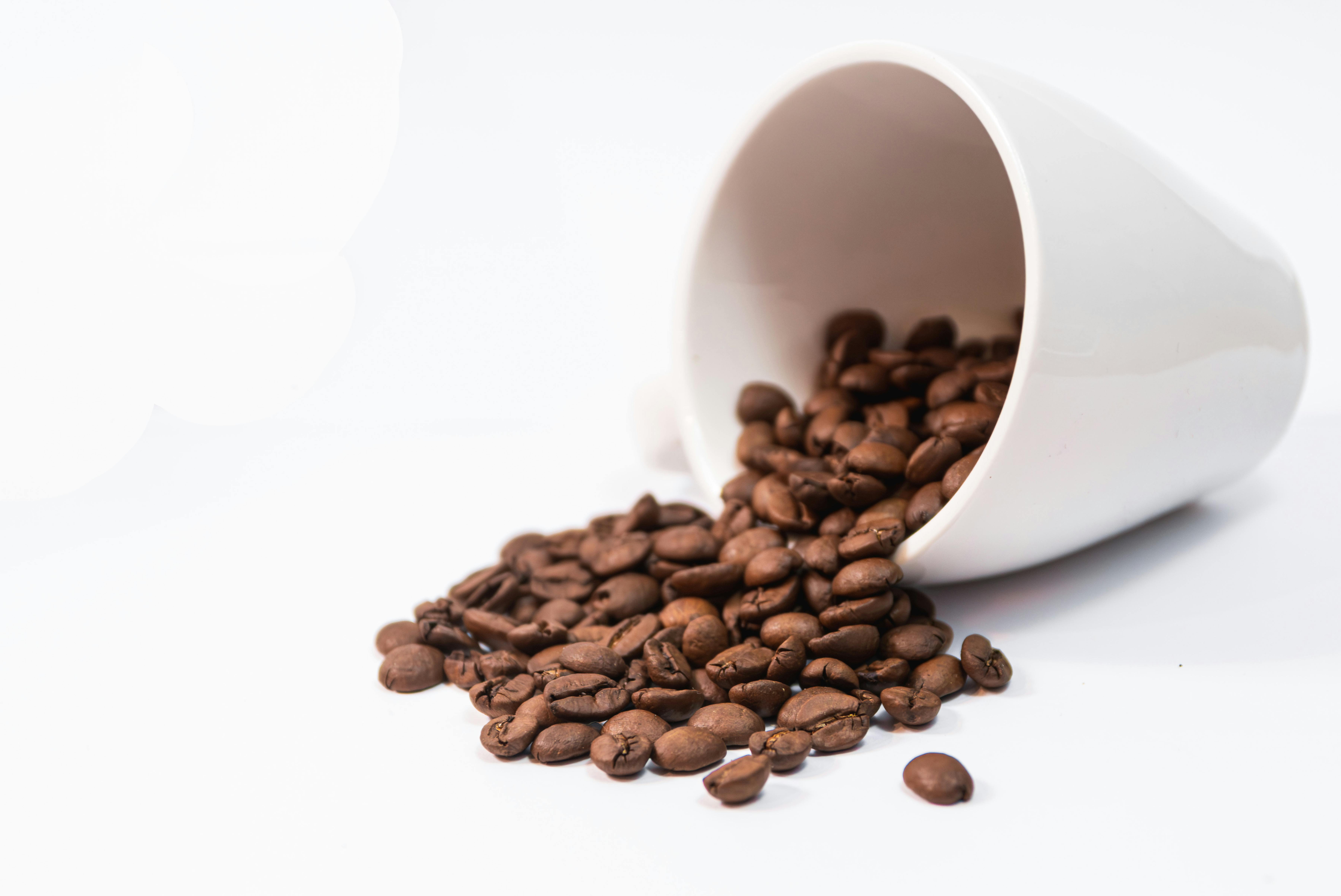
Some bags are labeled peaberry and priced above the same farm's standard lot. The explanation lies in how coffee is sorted before it is sold.
A coffee cherry normally holds two flat seeds
Inside the fruit, two seeds develop against each other, each flattened on the facing side. Those are the familiar flat-sided coffee beans.
Occasionally only one seed develops, and with nothing to press against it grows rounded. That is a peaberry, and it appears in a small fraction of any harvest.
The cause is a fertilization or development irregularity, and it occurs across varieties and origins. Certain varieties and growing conditions produce more of them.
Sorting exists to make a roast uniform
Coffee is graded by screen size using perforated plates, so beans of similar size travel together. Uniform size is what makes a uniform roast possible.
A round bean of the same nominal size behaves differently in a drum than a flat one. It rolls rather than tumbles and heats through at a different rate.
Mixed into a standard lot, peaberries roast unevenly and appear as lighter or darker beans in the finished batch. Separating them fixes that.
The premium reflects labor and scarcity
Peaberries have to be pulled out, historically by hand and now largely by density and shape sorting machinery. That is an extra processing step.
Because they are a small share of the crop, the resulting lot is always small. Scarcity plus extra handling produces a higher price.
Claims that peaberries are inherently more flavorful are widespread and not well supported. The consistent, defensible claim is that they roast more evenly.
Screen size sorting shapes the whole trade
Grading systems in many origins are built around screen numbers, and larger screens usually command higher prices. Size became a proxy for quality long ago.
The link is imperfect. Some highly regarded varieties produce small beans, and a large bean from a poorly run farm is still a poor bean.
Density sorting complements size sorting by separating harder, denser beans from lighter ones. Density tracks growing altitude and maturity more closely than size does.
What a roaster does with the distinction
A peaberry lot roasts as its own batch with its own profile, since the heat transfer differs from a flat-bean lot of the same origin.
Side-by-side, the two often taste similar with a cleaner, more consistent finish on the peaberry. That consistency is the sorting working as intended.
Treated as a curiosity of processing rather than a grade of quality, the label is informative. Treated as a promise of a better cup, it usually disappoints.
Also by Marcus Obeng
- What we would tell someone starting outEquipment
- When your coffee suddenly gets worseEquipment
- Coffee grounds and wasteEquipment
- Recipe notebooks and dialling in systematicallyWater & Grind