Beans & Origin
How The Coffee Price Is Set
Most coffee trades against a global benchmark that moves with weather and speculation, and the quality of any individual lot influences only the premium paid above it.
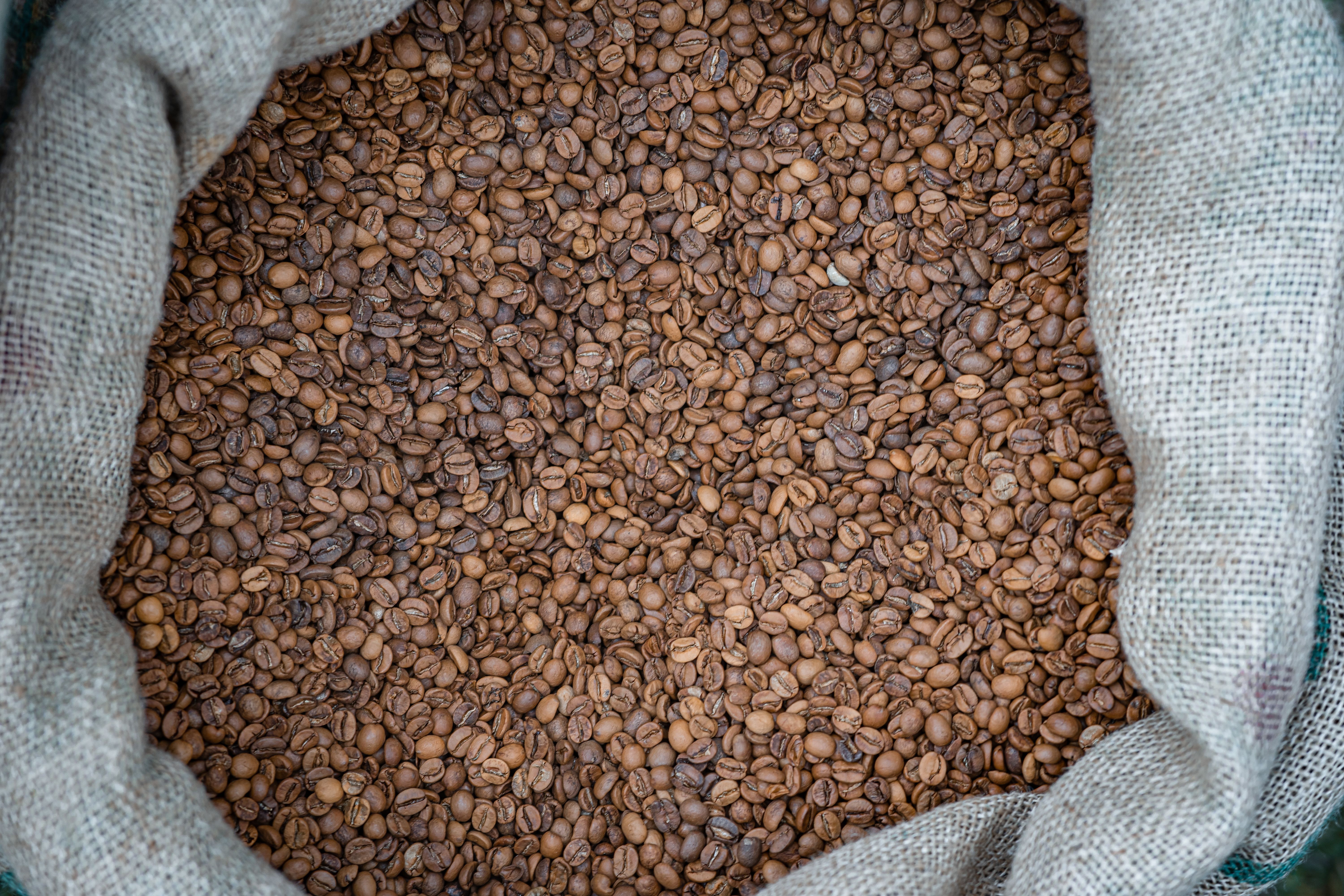
The price a farmer receives is often assumed to reflect how good the coffee is. For the large majority of the world's coffee, quality enters only as an adjustment to a number set somewhere else entirely.
A benchmark price anchors the market
Arabica is traded as a commodity on futures exchanges, where contracts for future delivery of a standard grade establish a continuously updated reference price.
That reference moves on expectations about global supply and demand, so weather in a major producing country can shift it sharply within days.
Because it is a financial instrument as well as a physical one, positions taken by traders with no interest in receiving coffee also move the number.
Differentials sit on top of the benchmark
Actual contracts are usually written as the benchmark plus or minus a differential reflecting origin, grade, certification and reputation.
A well-regarded origin with tight supply commands a positive differential, while a lot with defects or from an oversupplied region trades below.
The differential is where quality genuinely enters the price, and for most commercial coffee it is small relative to the benchmark it is added to.
The benchmark is largely outside a farmer's control
A grower can improve picking, processing and drying and still receive less than the previous year if the global reference has fallen in the meantime.
Because coffee trees take years to bear, planting decisions respond to prices that will have changed completely by the time the trees produce.
That lag drives cycles of oversupply and shortage, since high prices encourage planting whose output arrives after the shortage has passed.
Specialty trading works differently
Lots bought on cup quality are frequently negotiated at a fixed price agreed directly, decoupled from the exchange reference entirely.
These arrangements can pay considerably more, but they cover a small share of world production and require a farm to reach a standard that demands investment.
They also depend on relationships and repeat purchasing, which is hard to establish for a smallholder selling through several intermediaries.
Costs do not move with the price
Labour, fertiliser, transport and processing costs follow their own paths, and picking in particular is labour intensive and difficult to mechanise on steep ground.
When the benchmark falls below the cost of production, farms can be losing money on every bag while the crop still has to be harvested or abandoned.
That asymmetry, more than any single trading practice, is what makes coffee farming economically precarious even in years when retail prices are rising.
Also by Marcus Obeng
- What we would tell someone starting outEquipment
- When your coffee suddenly gets worseEquipment
- Coffee grounds and wasteEquipment
- Recipe notebooks and dialling in systematicallyWater & Grind