Beans & Origin
Hawaii And Puerto Rico As Domestic Coffee Origins
The only coffee grown under the American flag comes from a handful of tropical islands, and their high labor costs explain both the prices and the persistent fraud around the names.
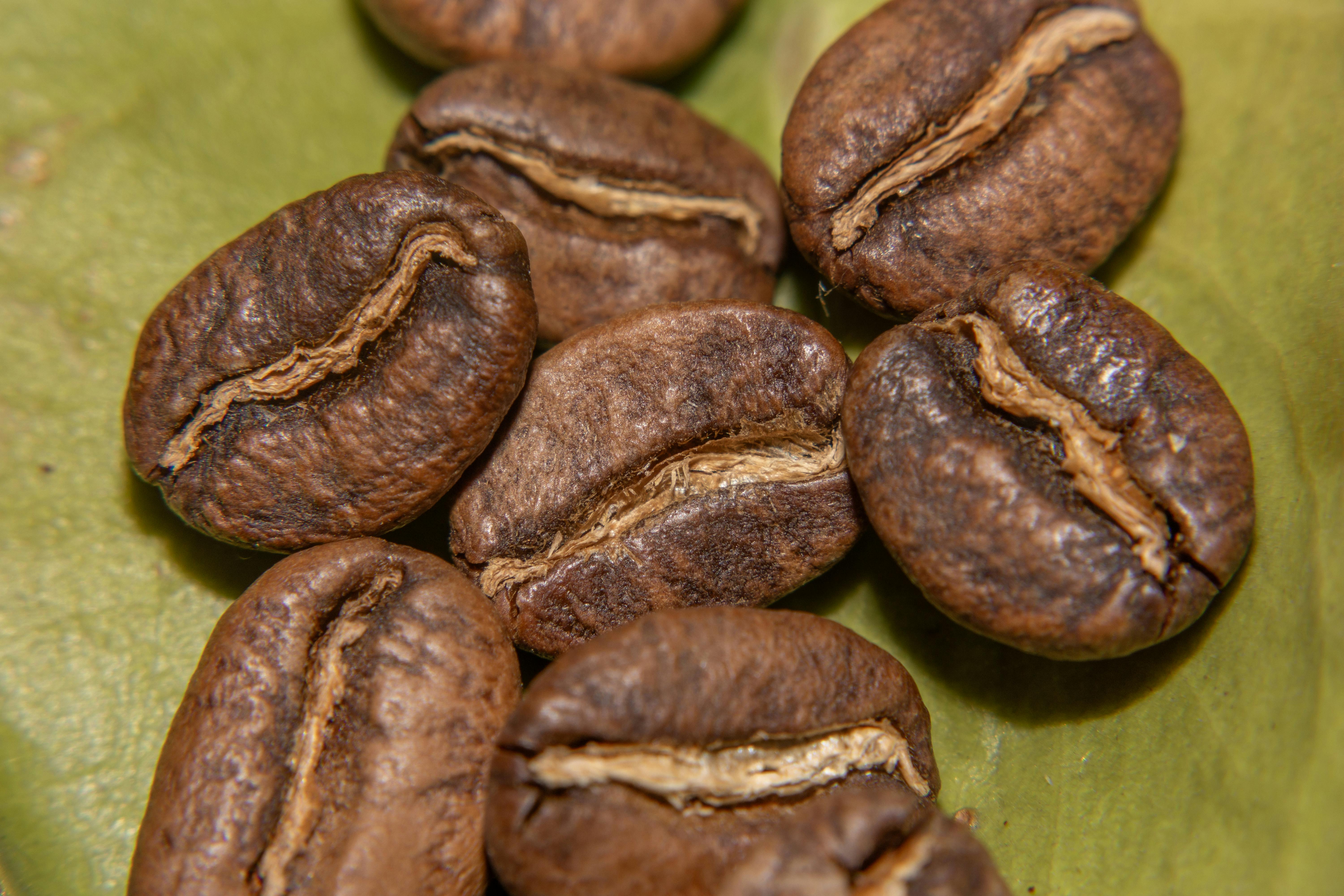
Almost all coffee consumed in the United States is imported, but a small amount is grown domestically. The economics of those farms differ sharply from anywhere else that grows coffee.
Geography limits where it can grow at all
Coffee needs a frost-free tropical or subtropical climate, which excludes the continental states almost entirely. Only island territories and states sit inside the range.
Hawaii's volcanic slopes provide altitude, drainage and reliable rainfall patterns. Puerto Rico's interior mountains offer similar conditions at similar elevations.
Small plantings exist in southern California and a few sheltered pockets elsewhere. They remain experimental in scale rather than commercial.
Labor cost sets the price floor
Coffee harvesting is done by hand where terrain is steep and cherries ripen unevenly. That labor is paid at American wages on American soil.
Producers elsewhere face far lower labor costs, so domestic coffee cannot compete on price and does not try. It is sold as a premium product by necessity.
The consequence is that a bag of genuine island-grown coffee costs several times what a comparable import does. That gap is structural, not a quality claim.
The price gap invites blending and mislabeling
Where a name carries a large premium, blends containing a small fraction of the named coffee appear on shelves. The label may be technically accurate and commercially misleading.
Regulations in Hawaii govern how much of a named region's coffee a package must contain before it can carry the name. Enforcement and disclosure rules have tightened over time.
For a buyer, the practical signal is the percentage statement on the front of the bag. A blend that does not state its proportion is usually mostly something else.
Puerto Rico's industry has contracted and rebuilt
The island once exported coffee at meaningful scale, supplying European markets before other origins expanded. That position was lost over the twentieth century.
Hurricanes, labor migration and competition from cheaper origins reduced production heavily. Replanting after major storms takes years because coffee trees need time to bear.
Recent efforts have focused on higher-value specialty lots rather than volume. That is the only strategy the cost structure allows.
What domestic origins actually offer the cup
Island-grown coffees tend toward soft acidity, nutty sweetness and a rounded body. They rarely show the sharp floral character of East African lots.
Careful processing and fresh roasting matter here as anywhere, and a poorly handled domestic lot is not saved by its provenance. Origin is not a substitute for craft.
The interest is partly agricultural and partly geographic. These are coffees grown inside the market that drinks them, which is unusual anywhere in the world.
Also by Marcus Obeng
- What we would tell someone starting outEquipment
- When your coffee suddenly gets worseEquipment
- Coffee grounds and wasteEquipment
- Recipe notebooks and dialling in systematicallyWater & Grind