Brewing Methods
Cowboy Coffee And Why It Sometimes Works
Boiling grounds loose in a pot has no filter, no timer and no control, yet it produces drinkable coffee because settling and temperature drop do the work a brewer normally does.
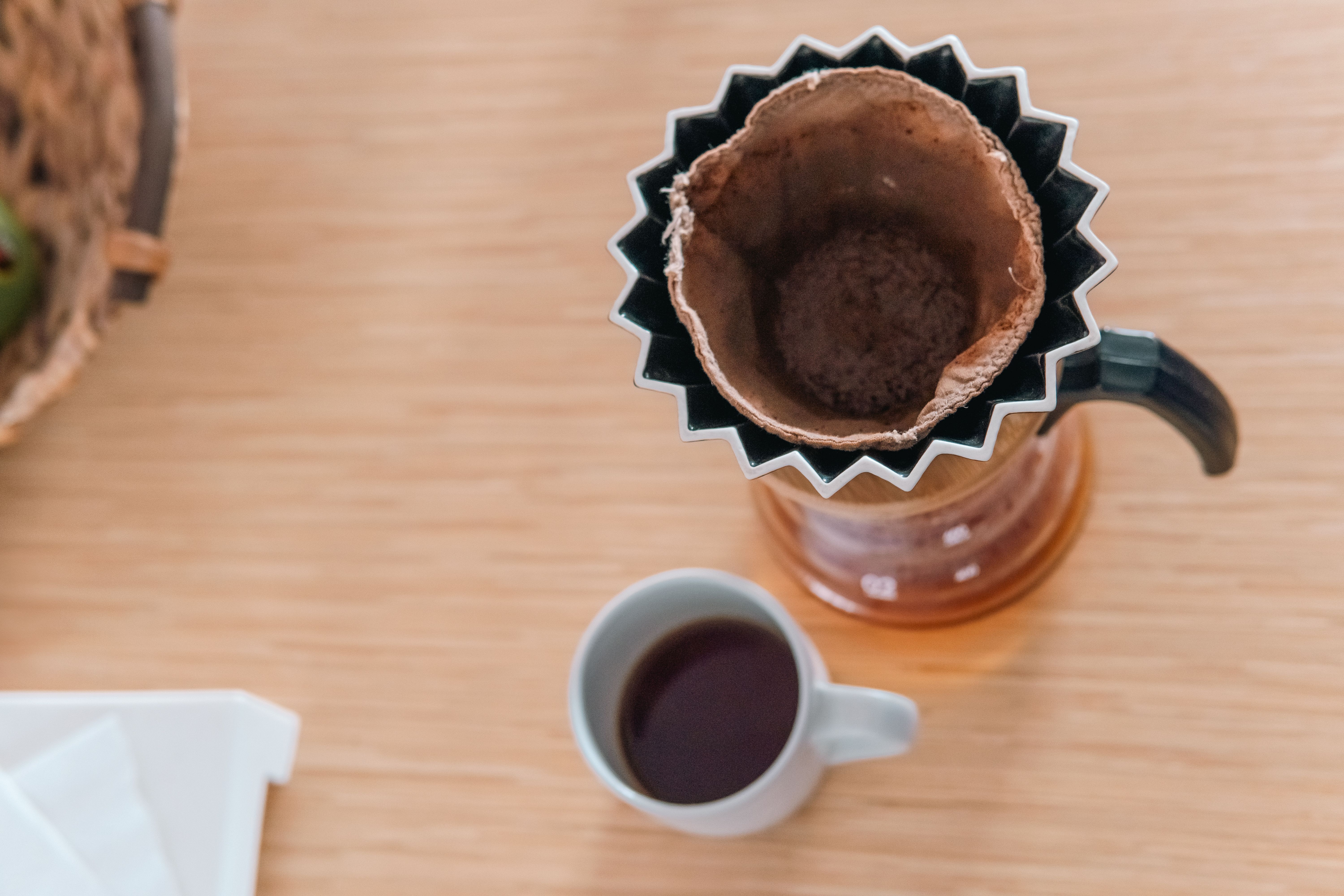
Coffee boiled loose in a pot over a fire is the oldest method still in regular use in the United States. It ignores nearly every principle of careful brewing and still works often enough to survive.
The method is immersion without a vessel wall
Grounds go into hot water and stay there. There is no paper, no mesh and no plunger, so extraction continues until something stops it.
What stops it is settling. Grounds sink as the pot rests, and the liquid above them is decanted off while the bed stays at the bottom.
That makes the method a close relative of the French press, with gravity replacing the screen. The separation is less complete, which is why a sediment layer is expected.
Boiling is a temperature problem, not a taste rule
Water at a full boil extracts fast and pulls bitter compounds early. Coffee dropped into a rolling boil tastes harsh for that reason alone.
Pulling the pot off the heat before adding grounds solves most of it. Water off the boil for half a minute sits close to the range a careful brewer would choose.
Outdoors, ambient cooling helps. A pot in cold air loses temperature quickly, which shortens the window in which over-extraction can occur.
Settling can be encouraged
Grounds settle faster in cooler, denser liquid, so letting the pot rest away from the fire does more than waiting near it. A few minutes of stillness clears most of the suspension.
A splash of cold water at the end is the traditional trick, and it works by dropping the temperature at the surface. Denser liquid sinks and carries fine particles down with it.
Pouring slowly and stopping early is the rest of the technique. The last portion of the pot is where the sediment lives, and leaving it behind is not waste.
Grind size matters more here than usual
Fine grounds refuse to settle and end up in the cup as silt. Coarse grounds settle cleanly and extract slowly enough to tolerate the long contact.
Anything ground for drip is too fine for this. A setting closer to what a French press would use is the practical starting point.
Pre-ground supermarket coffee is therefore a poor fit, which is why the method is associated with camps that carry whole beans and a hand grinder.
Its persistence is about equipment, not nostalgia
The method needs a pot, heat and water. Nothing can break, nothing needs power, and nothing has to be packed out beyond the grounds themselves.
That reliability is worth more on a trail than the incremental clarity a filter would add. The method is chosen for what it cannot fail to do.
The cup it makes is heavy, low in clarity and forgiving of mediocre coffee. Judged against what it replaces, which is often nothing at all, it holds up well.
Also by Marcus Obeng
- What we would tell someone starting outEquipment
- When your coffee suddenly gets worseEquipment
- Coffee grounds and wasteEquipment
- Recipe notebooks and dialling in systematicallyWater & Grind