Brewing Methods
Channelling, And Why It Ruins A Shot
When water finds a low-resistance path through a coffee bed it over-extracts one region and skips another, producing a shot that is thin and bitter at the same time.
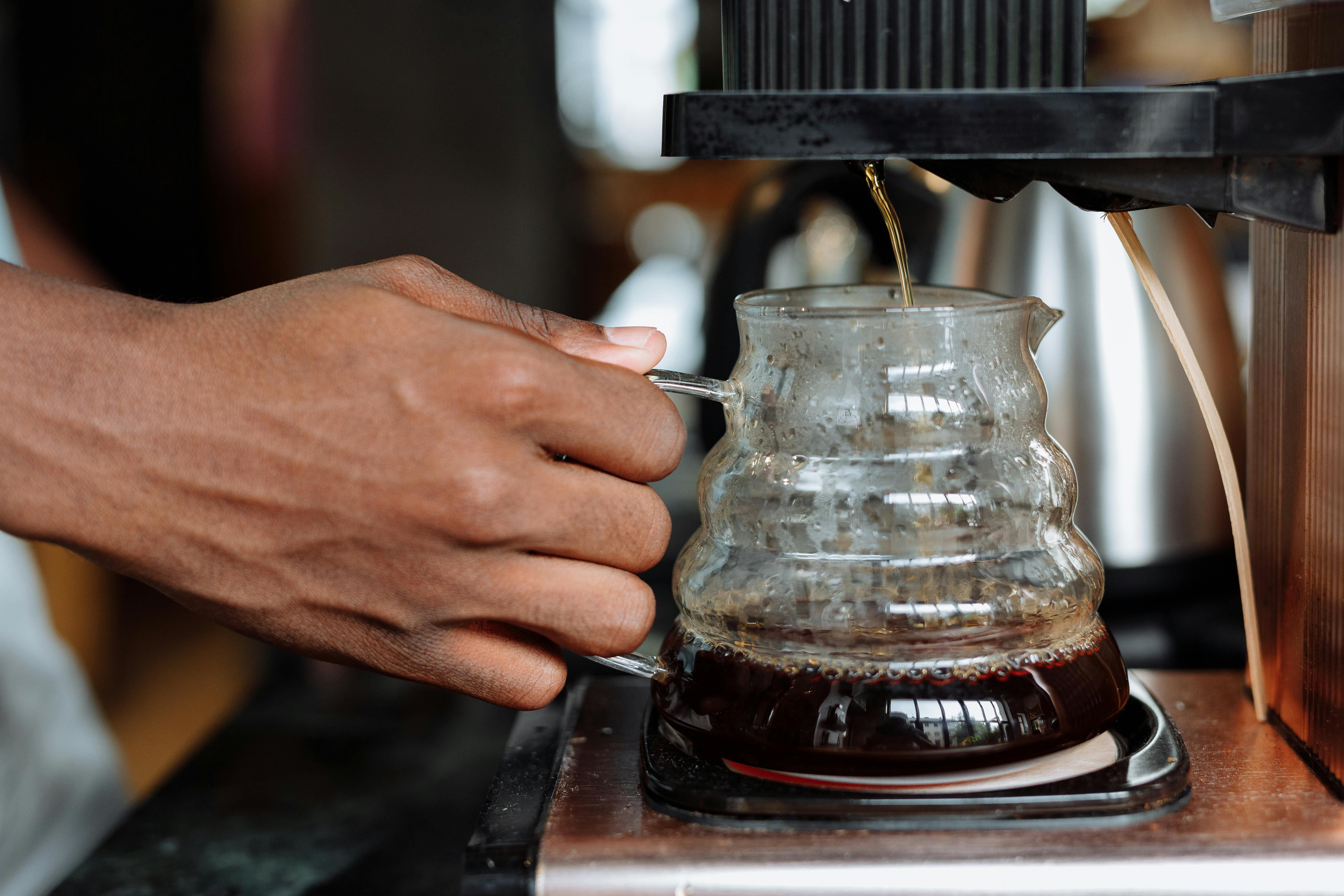
A shot can run to the right weight in the right time and still taste hollow and harsh. The usual culprit is water taking a shortcut through the puck.
Water follows the path of least resistance
A compressed bed of coffee resists flow, and the pump pushes until it finds somewhere to go. Any weak point becomes a preferred route.
Once a channel opens it widens, because flowing water erodes the walls of the passage it is already using. The problem is self-reinforcing.
Most of the water then travels through a small fraction of the coffee, while the rest of the bed sees comparatively little.
The result is two defects at once
Coffee along the channel is exposed to far more water than intended and gives up harsh, drying compounds. Coffee away from it stays under-extracted and contributes sourness and thinness.
Blending those two extremes gives a cup that tastes wrong in contradictory directions, which is why the tasting note is so hard to interpret.
Adjusting grind in response usually fails, because neither region has a grind problem. The distribution of water is the problem.
Most causes precede the pump
Uneven distribution of grounds in the basket leaves density variations that survive tamping. Clumps from a static-prone grinder are a common source.
A tamp that is off level tilts the whole bed, so one side is denser than the other and the thinner side gives way first.
Gaps at the edge of the basket, where grounds have been knocked away or never reached, offer a ready-made path down the wall.
Some causes are structural
A basket that is overfilled leaves the puck touching the shower screen, and grounds compressed against metal can crack when the pressure releases and refills.
Very fresh coffee degasses under pressure, and the escaping gas can open voids inside the bed during the shot itself.
Uneven basket perforation also matters, since the puck can only drain where there are holes to drain through.
Diagnosis is easier than it looks
Watching the flow from a bottomless portafilter shows channelling directly, as spray, uneven streams or a jet appearing from one point early.
The spent puck is also evidence: craters, holes and a soft wet region on one side all indicate where the water preferred to go.
Fixing distribution and levelling the tamp resolves the large majority of cases, and does so without touching the grinder at all.
Also by Marcus Obeng
- What we would tell someone starting outEquipment
- When your coffee suddenly gets worseEquipment
- Coffee grounds and wasteEquipment
- Recipe notebooks and dialling in systematicallyWater & Grind