Water & Grind
Burrs Wear, And The Cup Changes With Them
Grinder burrs dull gradually over thousands of doses, and the resulting flavour drift is slow enough that most people adapt to it without noticing.
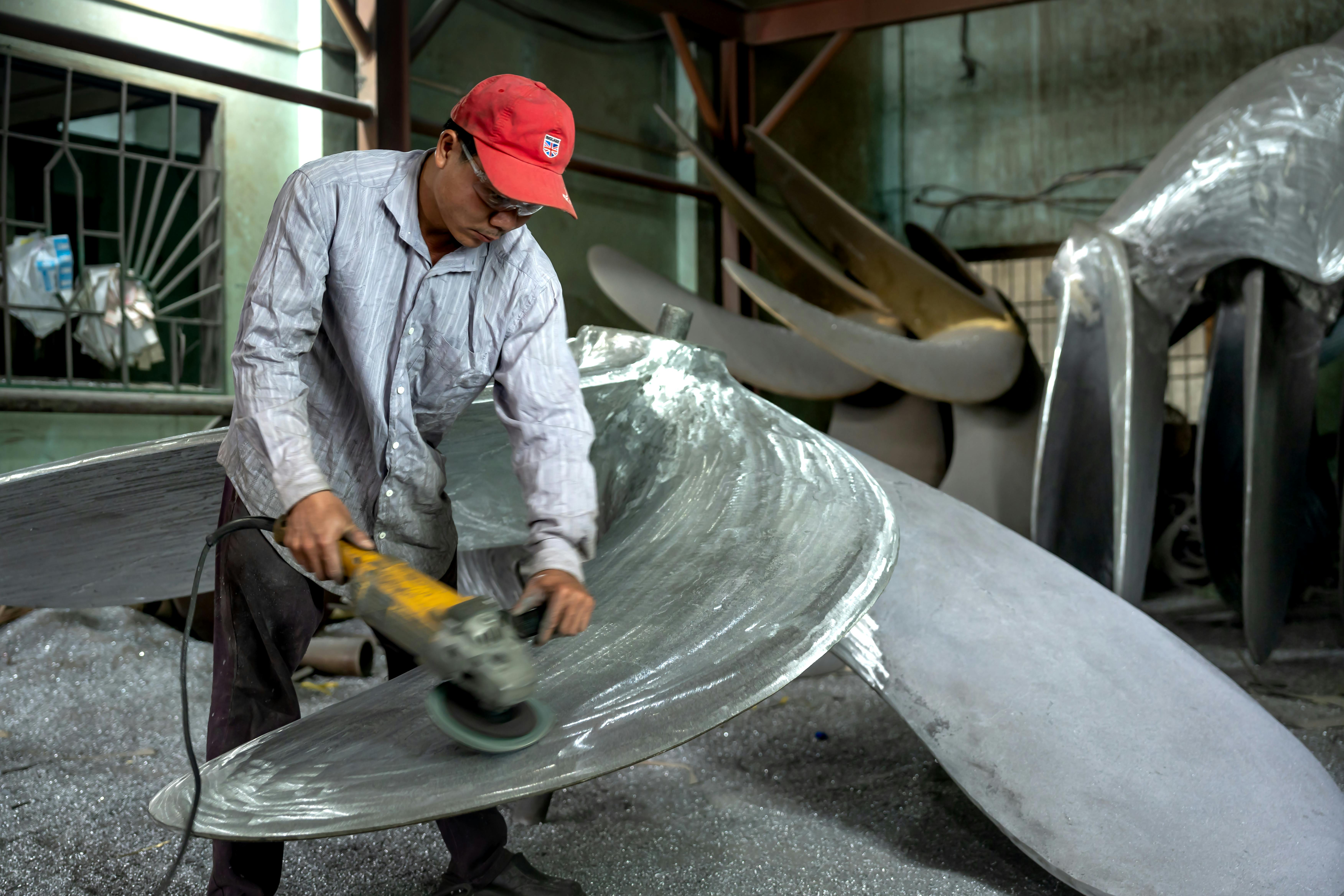
A grinder rarely fails outright. Its burrs lose their edges over a long period, the grind quietly deteriorates, and the change is easy to attribute to almost anything else.
Cutting edges round off with use
Burrs work by shearing coffee against sharp ridges, and every gram passed through removes a small amount of metal from those edges.
As the edges round, the burrs increasingly crush and tear rather than cut cleanly, which changes the way the bean fractures.
The result is a wider particle distribution, with more oversized fragments and more fines produced at the same setting.
The setting drifts along with the wear
Worn burrs also lose material from their faces, so the physical gap at a given setting number gradually widens over time.
A dial position that once gave espresso will eventually run fast, and the natural response is to keep moving the setting finer.
Running out of adjustment range at the fine end is a familiar late symptom, and by then the wear is well advanced.
The flavour change is gradual and easy to miss
Deterioration happens over months, and the palate adjusts to a slowly changing baseline far more readily than it detects a slow trend.
What people usually notice is a loss of sweetness and definition, and a growing sense that the coffee is harsh without being obviously over-extracted.
Because a new bag of beans arrives every few weeks, the change is regularly blamed on the roaster rather than on the machine.
Lifespan varies enormously with material and use
Steel burrs are common and wear steadily, while ceramic holds an edge longer but is brittle and can chip if a stone reaches the grinder.
Coated burrs are harder at the surface and last considerably longer, though once the coating wears through the underlying metal dulls at its normal rate.
Dark oily roasts and any foreign material accelerate wear, so throughput alone is an imperfect guide to how much life remains.
Checking is straightforward
Removing the burrs and examining the edges under good light shows rounding clearly, particularly if compared against a photograph of them when new.
Keeping a rough count of the coffee ground through the machine gives a useful indication, since manufacturers often publish an expected range.
Replacement burrs are usually inexpensive relative to the grinder, and fitting a new set frequently restores performance that would otherwise justify replacing the whole machine.
Also by Marcus Obeng
- What we would tell someone starting outEquipment
- When your coffee suddenly gets worseEquipment
- Coffee grounds and wasteEquipment
- Recipe notebooks and dialling in systematicallyWater & Grind