Brewing Methods
Batch brewing at home
The automatic drip machine is unfashionable and, done properly, produces excellent coffee with no attention at all.
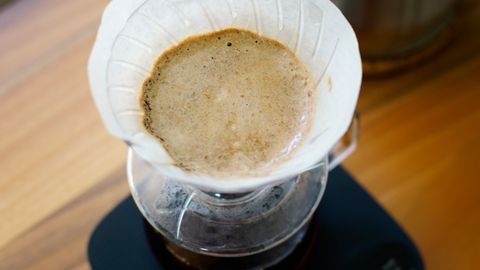
Automatic drip brewers have a reputation problem in specialty circles, largely earned by the cheap machines most people own.
A good one, used correctly, produces coffee indistinguishable from a careful pour over — and does it while you are in the shower.
Why most drip machines are bad
Three failures, all of them fixable by buying a different machine.
Water temperature. Cheap machines heat water inadequately, frequently delivering it at eighty degrees or below.
That is too cool for proper extraction, which is why supermarket drip coffee frequently tastes sour and thin regardless of the beans.
Pour pattern. Many machines dribble water from a single point onto one spot in the bed, leaving much of the coffee dry or barely wetted.
Better machines use a showerhead that distributes water across the whole bed.
Hotplates. A glass carafe on a hotplate continues cooking the coffee, which develops bitter and stewed flavours within twenty minutes.
Insulated thermal carafes solve this entirely.
What to look for
Certification. Several industry bodies certify brewers that meet standards for brew temperature, contact time and extraction. It is a reliable shortcut.
Brew temperature reaching around ninety-two to ninety-six degrees.
A showerhead distributing water across the bed rather than a single dribble.
A thermal carafe rather than a hotplate.
A pre-infusion or bloom cycle, which wets the grounds and pauses before the main brew.
Flat bottom basket, which produces a more even bed than a cone at larger volumes.
Using it well
Weigh the coffee and the water. The markings on the carafe are unreliable and the machine's cup measure is not a real cup.
Around sixty grams per litre. For a full carafe of a litre, sixty grams of coffee.
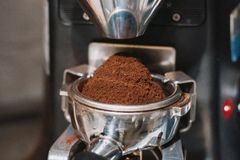
Grind medium, and adjust based on taste. Batch brewing uses a deeper bed than a single-cup pour over, so it frequently wants a slightly coarser grind than you would expect.
Level the bed after adding the coffee.
Use good water and descale the machine regularly. Scale reduces heating efficiency, which lowers brew temperature, which is the original problem.
Rinse the paper filter if you can, with hot water, before adding coffee.
Brew close to the machine's rated capacity. Most drip machines perform badly at a fraction of their capacity, because the bed is too shallow and the water passes through too fast.
If you regularly make small quantities, buy a smaller machine.
Stir the carafe before pouring. The first coffee through is much stronger than the last, and an unstirred carafe is stratified.
This single step improves most batch brew noticeably.
Troubleshooting
Sour and thin. Temperature too low, grind too coarse, or ratio too weak. Check the machine reaches temperature — a thermometer in the stream tells you.
Bitter and harsh. Grind too fine, or the coffee sat on a hotplate.
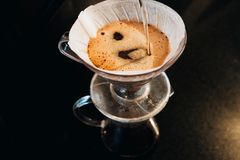
Uneven, both sour and bitter. Poor water distribution. Look at the bed after brewing — dry patches or a crater indicate the machine is not wetting the coffee evenly.
You can partly compensate by stirring the bed gently at the start of the brew, which sounds like cheating and works.
The percolator, for completeness
An older method where water is repeatedly cycled through the grounds by boiling.
It recirculates already-brewed coffee through the bed, which over-extracts, and boils the coffee, which produces bitterness.
It is genuinely a poor method by any technical standard.
It also has a nostalgic following and produces a specific style of strong, robust coffee that some people prefer, which is a legitimate preference. Use a coarse grind and stop the cycle early.
Keeping batch coffee
Brewed coffee is best within about thirty minutes and drinkable for an hour or so in a good thermal carafe.
After that it flattens and develops a stale character, regardless of temperature.
Reheating in a microwave produces something worse. If you have leftover coffee, refrigerate it and drink it cold — chilled batch brew is a reasonable iced coffee.
Why it is worth having
Consistency without attention. The same coffee every morning, made while you do something else, for several people at once.
Cafés serving high volume use batch brew for exactly this reason, and good ones serve it proudly.
The pour over ritual is enjoyable when you have time. On a weekday morning with three people wanting coffee, a good drip machine is the correct tool.
Also by Marcus Obeng
- What we would tell someone starting outEquipment
- When your coffee suddenly gets worseEquipment
- A morning routine that produces good coffee every dayBrewing Methods
- Coffee grounds and wasteEquipment