Beans & Origin
Altitude, And How It Reaches The Cup
High-grown coffee is prized for acidity and density, and the mechanism is temperature acting on the speed at which the fruit matures on the tree.
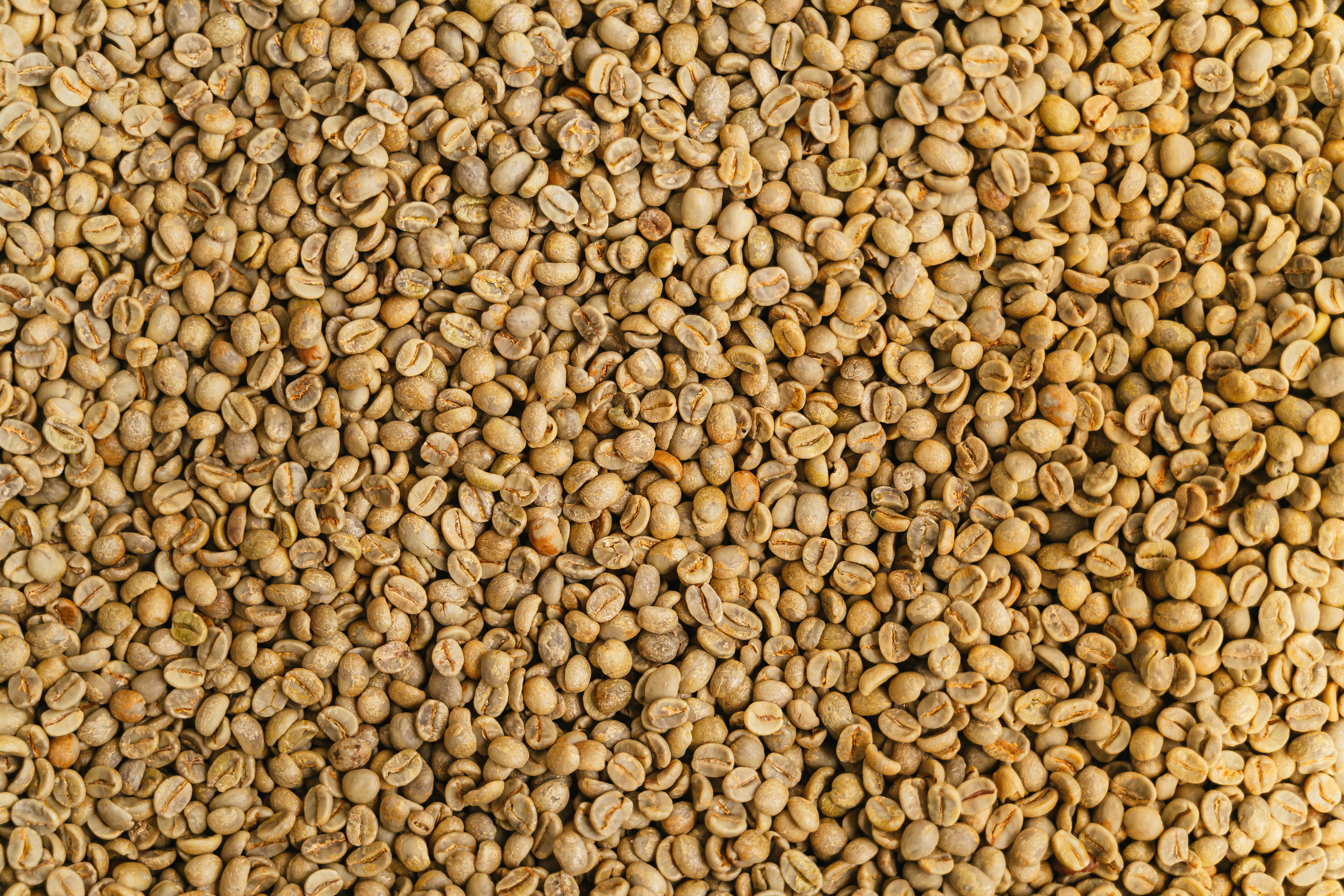
Coffee bags routinely list an altitude, and higher numbers are treated as better. The connection is real, though altitude is standing in for something more fundamental.
Temperature is the actual variable
Air cools reliably with elevation, so a farm high on a mountain is simply a colder farm than one in the valley below it.
Cooler conditions slow the plant's metabolism and lengthen the time between flowering and ripe fruit, sometimes by a considerable margin.
Altitude is a convenient proxy because it is easy to state, but latitude, aspect, shade and cloud cover all shift the effective temperature independently of height.
Slow maturation changes the seed
A longer ripening period gives the plant more time to accumulate sugars and acids in the seed rather than rushing to a finished fruit.
The seed itself develops more densely, with a tighter cell structure and less air space, which is why high-grown lots weigh more for their size.
That density is what growers are describing with hard bean designations, which classify lots by growing elevation precisely because the physical property follows from it.
Density affects roasting and brewing
Dense beans conduct heat differently and resist it longer, so they generally need more energy early in the roast to develop properly.
They also grind differently, producing a slightly different particle distribution at the same setting, which is one reason a new bag can throw off a dialled-in recipe.
Higher acidity in the cup follows partly from the chemistry and partly from the roasting choices that dense beans invite.
Altitude has a ceiling
Coffee is a tropical plant and will not tolerate frost, so above a certain elevation for a given latitude the crop simply fails.
Near that limit yields fall and ripening becomes uneven, so the highest possible farm is not the best farm even on the terms altitude is prized for.
Farms far from the equator reach that ceiling at much lower elevations, which is why numbers cannot be compared across origins directly.
It is one factor among several
Variety, soil, processing and picking standard all move the cup at least as much as elevation does, and a poorly picked high-grown lot beats nothing.
Some celebrated origins sit at moderate elevations and compensate with cool climate from latitude, shade or persistent cloud.
Reading the altitude figure as a description of growing conditions, rather than as a score, keeps it useful without making it carry more than it can.
Also by Marcus Obeng
- What we would tell someone starting outEquipment
- When your coffee suddenly gets worseEquipment
- Coffee grounds and wasteEquipment
- Recipe notebooks and dialling in systematicallyWater & Grind