



Flavor lab experiments totally blew my mind the first time I dove into them, like, seriously, who knew turning olive juice into exploding spheres could redefine modern cooking forever?
I’m sitting here in my tiny apartment kitchen in Brooklyn right now, coffee going cold beside me on this chilly December morning, staring at the mess from last night’s attempt at spherification. Olive brine everywhere, little gel orbs that mostly burst too soon – embarrassing, right? But dude, those flavor lab experiments that pros nailed years ago? They straight-up changed how we eat today. I’m no chef, just a home cook obsessed with this stuff, and yeah, I’ve screwed up plenty, but the wins? Mind-blowing.
Why Flavor Lab Experiments Hook Me (And Maybe You Too)
Look, flavor lab experiments aren’t just fancy restaurant tricks anymore. They’ve trickled down to us regular folks, making modern cooking way more precise and fun. But honestly? Sometimes I wonder if it’s all hype. Like, do I really need liquid nitrogen for ice cream when Ben & Jerry’s exists? Anyway, the big ones – spherification, sous vide, foams – they legit revolutionized things. I tried sous vide steak last week, and it was perfect edge-to-edge pink, no gray zones like my usual pan-seared disasters.

The Spherification Breakthrough in Flavor Lab Experiments
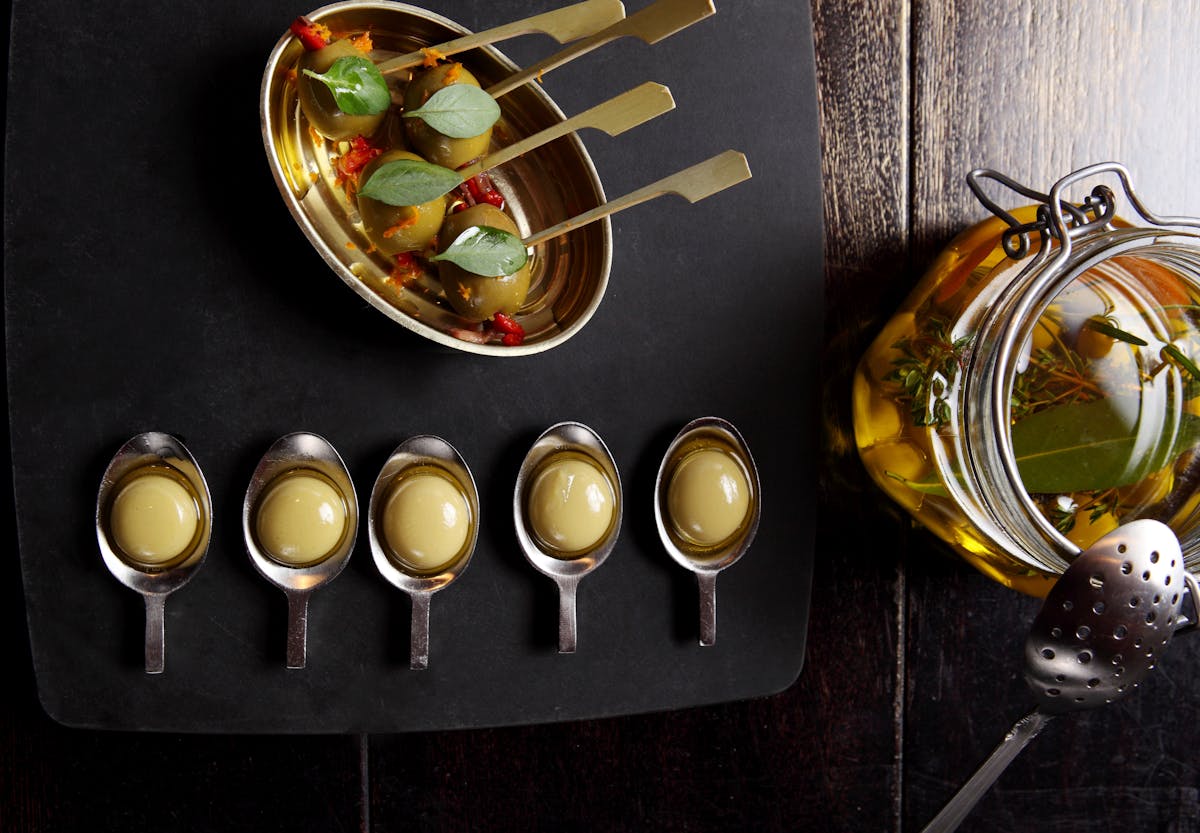
Okay, flavor lab experiments hit peak wow with spherification. Ferran Adrià at El Bulli basically invented the modern version around 2003, dropping flavored liquids into calcium baths to make these thin-skinned bursts. His liquid olives? Iconic. I ordered sodium alginate online – felt like a mad scientist – and tried making balsamic pearls. First batch? Total flop, they dissolved into vinegar soup. But the second? Popping vinegar bombs on salad that made my friends go “whoa.” It’s raw chemistry turning modern cooking into theater.


Check out more on Adrià’s techniques here.
Sous Vide: The Precision Game-Changer from Flavor Lab Experiments
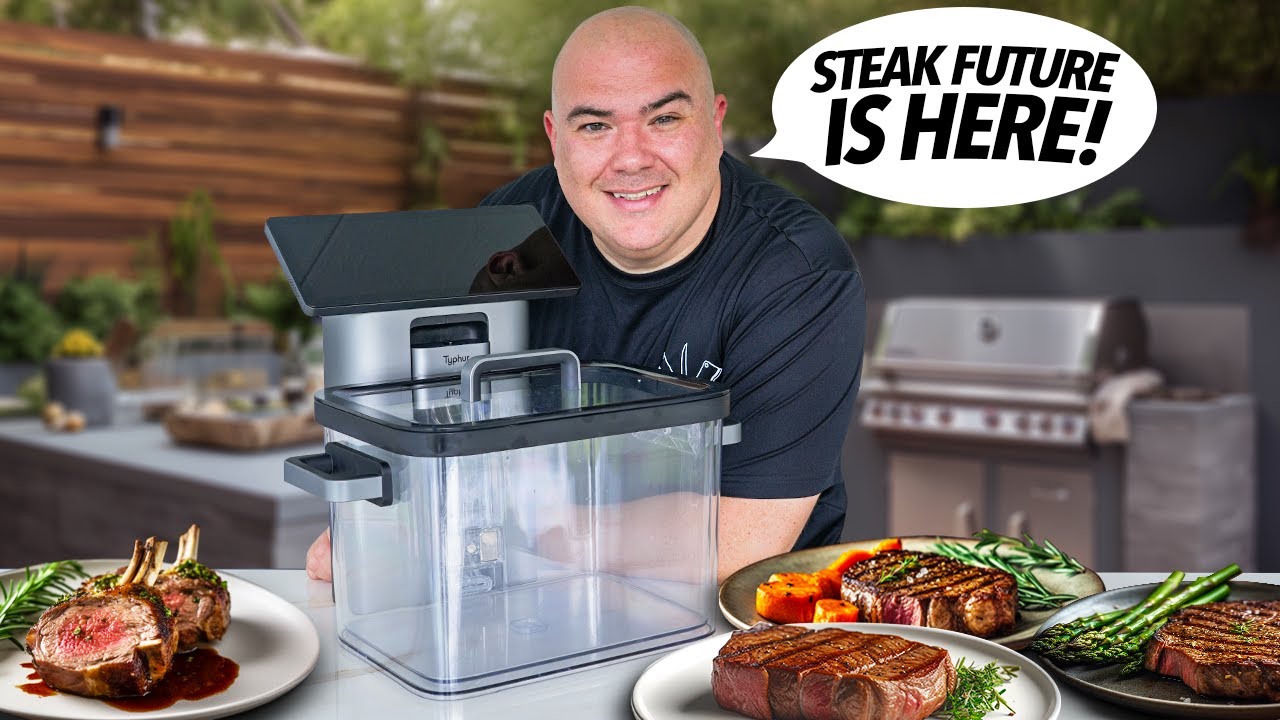
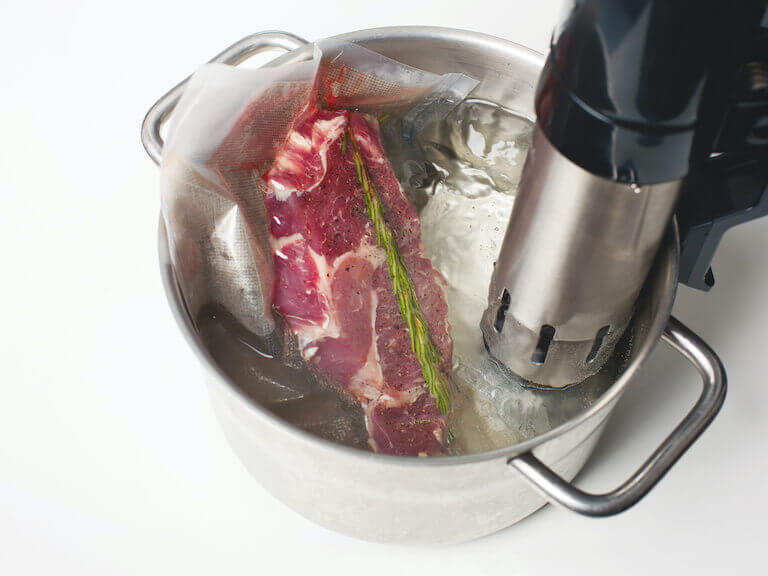
Sous vide might be the most practical flavor lab experiment that’s gone mainstream. Roots go way back, but Heston Blumenthal and others perfected low-temp precision cooking in the ’90s and 2000s. Seal food, dunk in exact-temp water – boom, flawless results. I bought a cheap immersion circulator during Prime Day, and now my chicken’s never dry. But real talk: waiting hours for eggs at 63°C? Sometimes I cheat and just boil ’em. Still, it’s transformed modern cooking from guesswork to science.
Blumenthal’s take on it is gold – read more here.
Edible Foams and Airs Elevating Flavor Lab Experiments
Foams, man. Adrià again with the siphon, but soy lecithin makes it easy at home. Whip up light, intense flavor clouds. I did beet foam once – looked amazing, tasted earthy and intense, but half deflated before serving. Embarrassing dinner party moment. Yet these airy tricks from flavor lab experiment make modern cooking feel magical, less heavy, more surprising.
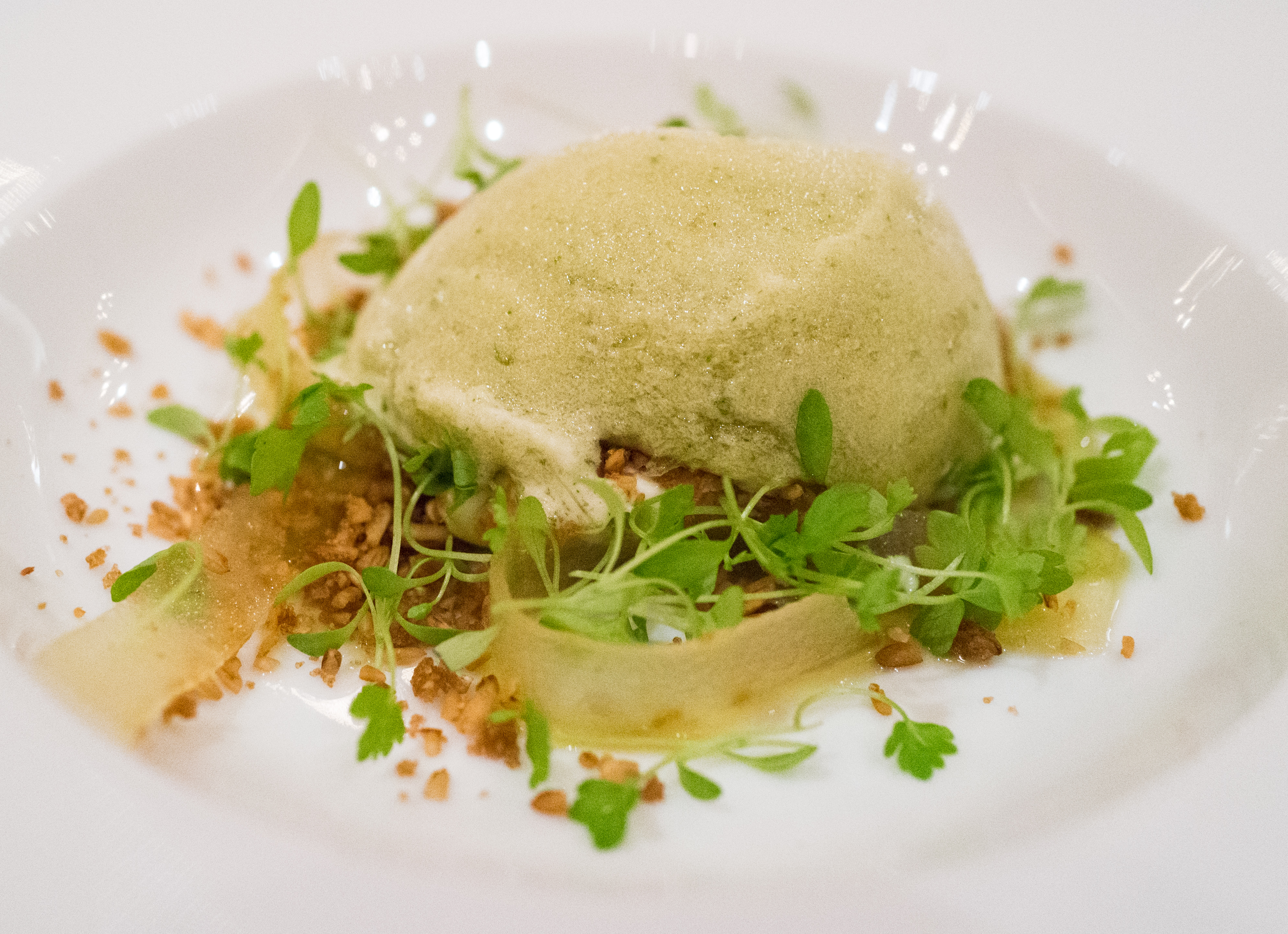


Meat Glue (Transglutaminase) in Wild Flavor Lab Experiments
Transglutaminase, aka meat glue – bonds proteins for crazy creations. Modern cuisine loves it for seamless fillets or bacon-wrapped whatever. I tried gluing shrimp into a “scallop” – worked okay, but freaked me out a bit. Safe, sure, but feels cheating? These flavor lab experiment push boundaries, though I stick to basics now.
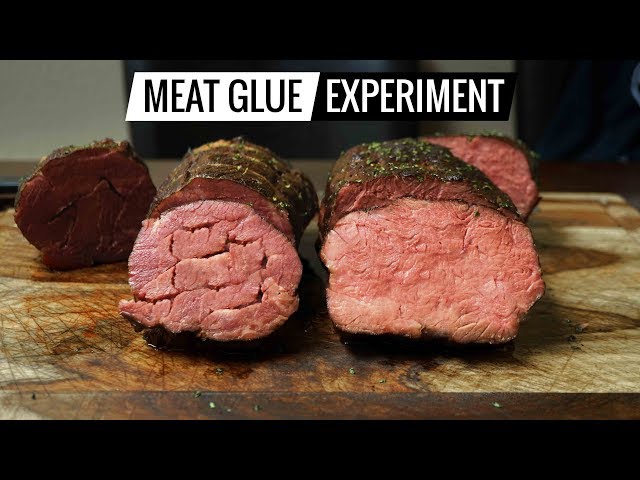

More on this enzyme here.
Anyway, flavor lab experiment keep evolving modern cooking, from pro kitchens to my messy one. I’ve burned, burst, and botched plenty, but the surprises? Worth it. Contradictions and all – sometimes simple grilled cheese wins – but these changed everything.